
9 Essential Norfolk Photographer Tips for Stunning Shots
Norfolk’s breathtaking coastlines, rolling countryside, and historic towns offer endless inspiration for every norfolk photographer seeking to capture something truly special. Whether you are just starting out or have years behind the lens, mastering this region’s unique landscape can transform your results.
This article reveals nine essential tips designed to help any norfolk photographer achieve stunning shots in Norfolk. From scouting locations and understanding natural light, to refining your editing and respecting the local environment, you will discover practical advice for every stage of your photographic journey.
Ready to elevate your skills and capture Norfolk at its best? Read on for expert insights tailored to make your next norfolk photographer outing unforgettable.
Understanding Norfolk’s Unique Photographic Landscape
Exploring Norfolk as a norfolk photographer means embracing a region of remarkable variety and character. Each corner of Norfolk offers a fresh canvas, shaped by its landscape, weather, culture, and seasonal rhythms. Understanding these elements is essential for those seeking to produce truly memorable images.
The Diversity of Norfolk’s Scenery
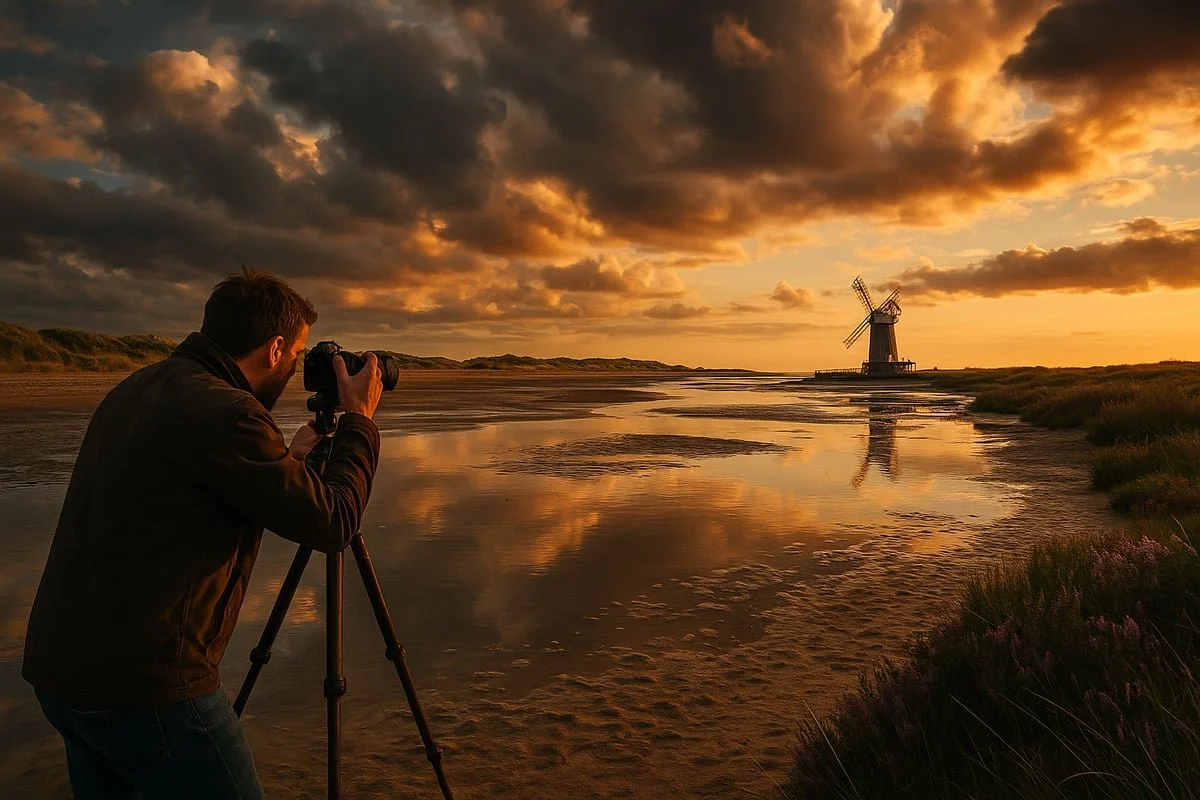
Norfolk’s scenery is a treasure trove for every norfolk photographer. From the sweeping sands of Wells-next-the-Sea to the iconic Cromer Pier, the county offers a spectrum of visual opportunities. Historic towns like Norwich, with its majestic cathedral, contrast with the tranquil waterways of the Broads.
Key locations for norfolk photographers include:
Wells-next-the-Sea: Expansive beaches and colourful beach huts.
Cromer Pier: A classic seafront view, perfect for sunset shots.
Norfolk Broads: Serene waterscapes, windmills, and wildlife.
Norwich Cathedral: Stunning architecture and cityscapes.
For more inspiration on where to begin, 10 Photography Locations in Norfolk provides a detailed guide to the county’s most photogenic spots.
Light and Weather Patterns in Norfolk
A norfolk photographer quickly learns that local light and weather play defining roles in every shoot. The coastal position means Norfolk benefits from a unique quality of light, especially during the golden hour. Early mornings and late evenings can transform ordinary scenes with warm, soft tones.
However, Norfolk weather is famously unpredictable. Sudden changes from bright sunshine to mist or showers are common. It is vital to stay flexible, adapt camera settings rapidly, and use natural light creatively, whether capturing dramatic skies or subtle morning fog.
Seasonal Changes and Their Impact
Each season brings new challenges and rewards for a norfolk photographer. Spring welcomes migrating birds and wildflowers, while summer draws crowds and vibrant festivals. Autumn transforms woodlands with golden hues, and winter brings frost and tranquil scenes.
Being aware of these shifts allows norfolk photographers to plan their shoots for the most striking results.
Local Culture and Events
A norfolk photographer has the chance to capture the spirit of local life. Annual events such as the Norfolk & Norwich Festival bring vibrant street scenes and performances, offering candid photographic opportunities. Village fairs, markets, and traditional regattas provide a glimpse into Norfolk’s heritage.
Incorporating these cultural moments into your portfolio adds depth and narrative, helping to tell the broader story of Norfolk through your lens.
Challenges Unique to Norfolk
Despite its beauty, Norfolk presents unique challenges for every norfolk photographer. Summer attracts large crowds, making it harder to find quiet moments, especially at popular sites. Coastal winds can test both your patience and equipment, while changing tides demand careful planning to avoid unsafe conditions.
Preparation and local knowledge are essential for overcoming these hurdles and ensuring safe, successful shoots in every season.
Essential Gear and Preparation for Norfolk Photography
Preparing for a successful shoot as a norfolk photographer begins with meticulous planning and the right equipment. Norfolk’s landscapes are diverse and often unpredictable, demanding both adaptability and a thoughtful approach. Whether you are capturing the sweeping coastline or the intricate details of historic towns, the right preparation ensures every moment counts.
Choosing the Right Equipment
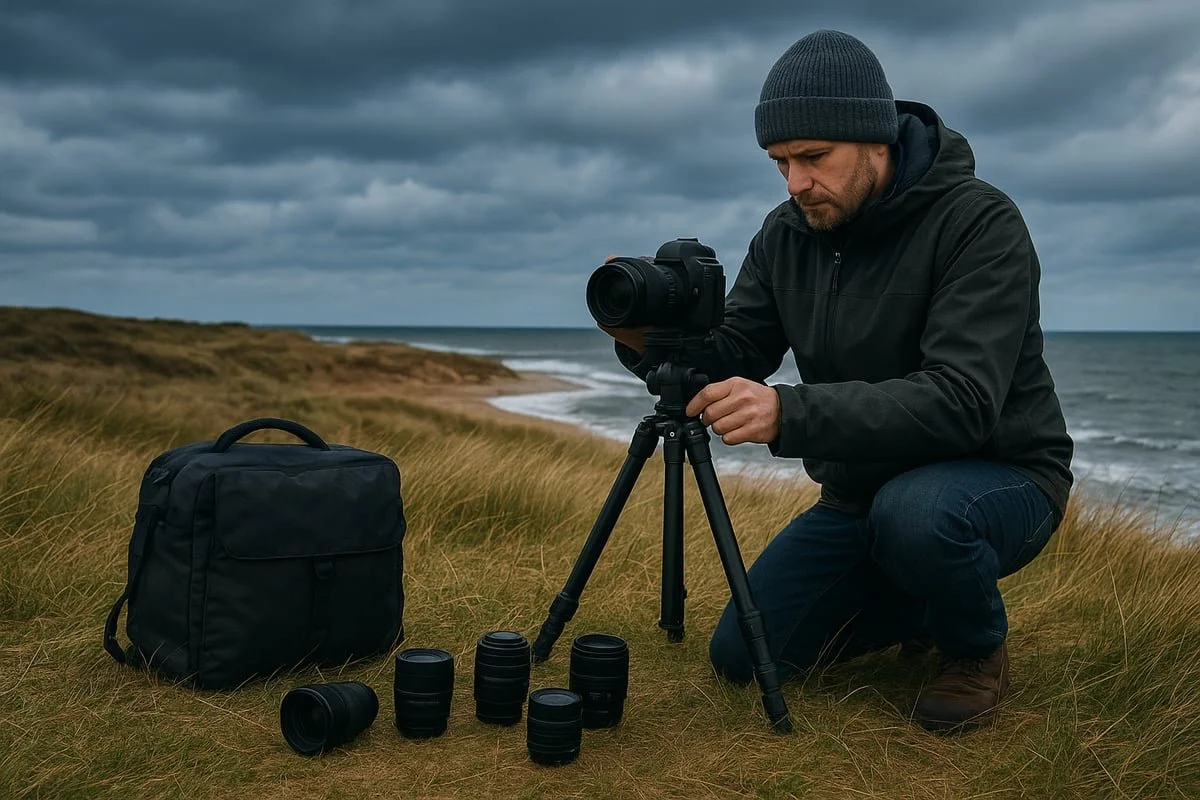
Selecting the right gear is essential for every norfolk photographer. The region’s variety means you may want a camera system that offers flexibility and reliability.
For lenses, a wide-angle is ideal for sweeping seascapes and countryside, while a telephoto is perfect for wildlife or distant architectural details. Prime lenses offer sharpness and low-light performance, which can be invaluable in Norfolk’s changeable conditions.
Preparing for the Elements
Norfolk’s weather can switch from sunny to stormy in moments. Every norfolk photographer should prepare with:
Weather-sealed camera bags and cases
Lens hoods to reduce glare and protect glass
Microfibre cloths and cleaning kits for salt spray or rain
Waterproof jackets and sturdy footwear
Layered clothing for changing temperatures
These preparations ensure you can focus on creativity, not just survival, during your outdoor sessions.
Planning and Research Tools
Smart preparation is what sets a norfolk photographer apart. Use apps for tide times and weather forecasts to avoid surprises, and golden hour trackers for optimal natural lighting. Digital or paper maps help with remote location scouting. For hands-on learning and real-world insights, consider joining a Norfolk Coast Photography Workshop to experience expert-led sessions tailored for the area.
Backup and Power Solutions
Nothing disrupts a shoot like running out of power or storage. Always carry:
Spare batteries and portable chargers
Extra memory cards, stored in waterproof cases
A lightweight backup drive for on-the-go file transfers
This practical approach safeguards your work, so no moment is missed due to technical issues.
Safety and Legal Considerations
Safety and legality are crucial for every norfolk photographer. Always seek permission before flying drones, and respect private property boundaries. Exercise caution near water, especially with tidal rivers and marshes. Familiarise yourself with local by-laws to avoid unnecessary complications, ensuring your focus stays on capturing Norfolk’s unique beauty.
9 Essential Norfolk Photographer Tips for Stunning Shots
Unlocking the full potential of Norfolk’s stunning scenery requires more than luck. For every norfolk photographer, success comes from combining technical skill with local insight. These nine essential tips will help you capture breathtaking images, whether you are new to the area or a seasoned professional.
1. Scout Locations in Advance
Every norfolk photographer knows that location is key to a remarkable image. Norfolk’s diverse settings reward those who prepare. Start by researching potential spots online and studying maps. Local tourism websites, social media groups, and photography forums are excellent resources for discovering hidden gems.
Arriving early for a recce trip lets you familiarise yourself with the terrain and lighting. Consider accessibility, available parking, and the direction of the sun at different times of day. For example, Holkham Beach offers expansive sands and dramatic skies, but the best viewpoints require a short walk from the main car park.
Create a location checklist before each outing. Note the tide times for coastal shots, and remember that some sites, like nature reserves, may have restricted access during certain months. By scouting locations in advance, a norfolk photographer gains the advantage of planning unique compositions and avoiding missed opportunities.
2. Master Natural Lighting
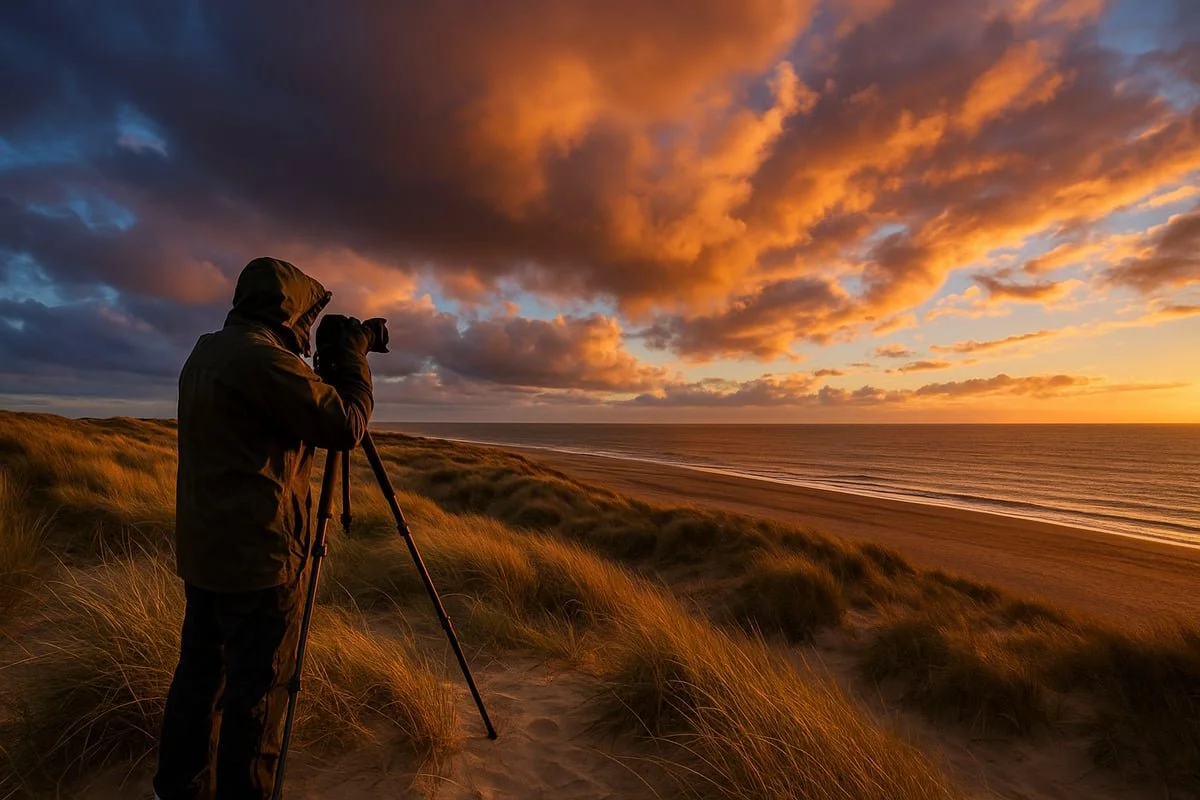
Light shapes every photograph, and for a norfolk photographer, understanding Norfolk’s unique conditions is essential. The county’s coastal position produces luminous skies, especially at golden hour and blue hour. Early mornings on the Broads often reveal misty, ethereal scenes, while sunsets on the coast can fill the frame with vibrant colours.
Adapt to midday sun by using lens hoods or seeking shade, and embrace overcast days for their soft, diffused light. Experiment with backlighting subjects for a sense of depth. Always check sunrise and sunset times before heading out.
Carry a polarising filter to reduce glare on water. Capture the subtle shifts of light as weather changes, and remember that Norfolk’s flat landscapes allow for dramatic cloudscapes. By mastering natural lighting, a norfolk photographer brings out the full emotion and atmosphere of each scene.
3. Embrace Norfolk’s Weather
Norfolk’s weather is famously unpredictable, challenging every norfolk photographer to be adaptable. Mist, fog, and storms can transform familiar places into new worlds. Instead of waiting for clear skies, learn to work with what nature provides.
Pack waterproof covers for your camera and lenses, and bring a microfibre cloth for cleaning. Coastal winds can kick up sand and spray, so use a lens hood and keep your gear protected. When the sky darkens or a storm rolls in, adjust your exposure to capture the mood.
Dramatic skies over Cromer Pier or swirling mists in the Broads can make for unforgettable images. Be patient, and keep an eye on weather apps for sudden changes. A norfolk photographer who embraces the elements often returns with the most remarkable shots.
4. Compose with Storytelling in Mind
A striking image tells a story, and the most memorable norfolk photographer work uses composition to lead the viewer’s eye. Seek out foreground interest, such as boats, pebbles, or wildflowers, to add depth. Use leading lines, like winding rivers or fences, to draw attention to your main subject.
Frame local life: a fisherman at Wells-next-the-Sea, children crabbing on the quay, or the intricate interior of Norwich Cathedral. Think about what makes the scene unique to Norfolk, and let that shape your choices.
Experiment with framing, symmetry, and negative space. For more on narrative composition, consider reading The story of photography for further inspiration. Ultimately, a norfolk photographer’s ability to compose with storytelling in mind will set their work apart.
5. Capture Local Wildlife Responsibly
Norfolk is a haven for wildlife, and every norfolk photographer should approach animal subjects with care. From grey seals at Blakeney Point to rare birds on the Broads, ethical photography is paramount. Use long lenses to keep a respectful distance and avoid disturbing habitats.
Learn to identify the county’s iconic species and their active seasons. Move slowly, stay quiet, and never bait or chase animals for a photo. Research local guidelines for protected areas and follow any restrictions.
If you want to improve your skills in this area, consider joining a Grey Seal Photography Workshop to learn best practices for wildlife photography in Norfolk. By prioritising respect and patience, a norfolk photographer contributes to the preservation of these unique creatures.
6. Experiment with Perspectives and Angles
The difference between a good and a great norfolk photographer often lies in creative perspective. Challenge yourself to find new viewpoints. Get low to the ground for interesting foregrounds, climb to higher ground for sweeping vistas, or use reflections in water to double your impact.
Drone photography is increasingly popular, offering spectacular aerial views of places like the Norwich cityscape or the winding rivers of the Broads. Always check for legal restrictions and respect privacy when flying.
Try shooting through reeds, archways, or windows for natural frames. Varying your angles keeps your portfolio fresh and helps you develop your own style. For a norfolk photographer, experimentation is the gateway to originality.
7. Adapt to Seasonal Opportunities
Each season brings new character to Norfolk, and a norfolk photographer should plan accordingly. Spring and autumn are ideal for wildlife migrations and softer light. Summer offers vibrant lavender fields and bustling festivals, while winter can deliver frosty mornings and dramatic skies.
Keep a calendar of local events, such as the Norfolk & Norwich Festival, for candid street photography.
Adapt your approach to make the most of each opportunity. A norfolk photographer who embraces the seasons will always find something new to capture.
8. Refine Your Editing Process
Post-processing is where a norfolk photographer can truly enhance the mood and clarity of their images. Begin with basic adjustments: exposure, contrast, and white balance. Use local adjustments to bring out key details, such as the texture of sand or the subtle colours of a Norfolk sunset.
Aim for a balance between natural and creative. Avoid over-saturating or adding unnatural effects. Editing software like Lightroom or Capture One offers powerful tools for landscape and portrait work.
Consider creating presets for consistency across your portfolio. Always review your edits on different screens to ensure accuracy. By refining your editing process, a norfolk photographer ensures their vision is realised in every finished image.
9. Respect the Environment and Local Community
Responsibility is central to the role of a norfolk photographer. Always follow leave-no-trace principles: take only photos, leave only footprints. Seek permission before entering private land, and thank property owners for their cooperation.
Support local businesses by visiting independent cafés and shops during your outings. Build relationships with residents to gain authentic insights and access to unique locations.
By respecting the environment and community, a norfolk photographer not only preserves Norfolk’s beauty but also builds trust, opening doors to future opportunities and collaborations.
Developing Your Signature Style as a Norfolk Photographer
Defining your signature as a norfolk photographer is a journey shaped by local inspiration, experimentation, and engagement with the community. By exploring different approaches and learning from others, you can create a portfolio that reflects both your vision and the unique charm of Norfolk.
Identifying Your Photographic Voice
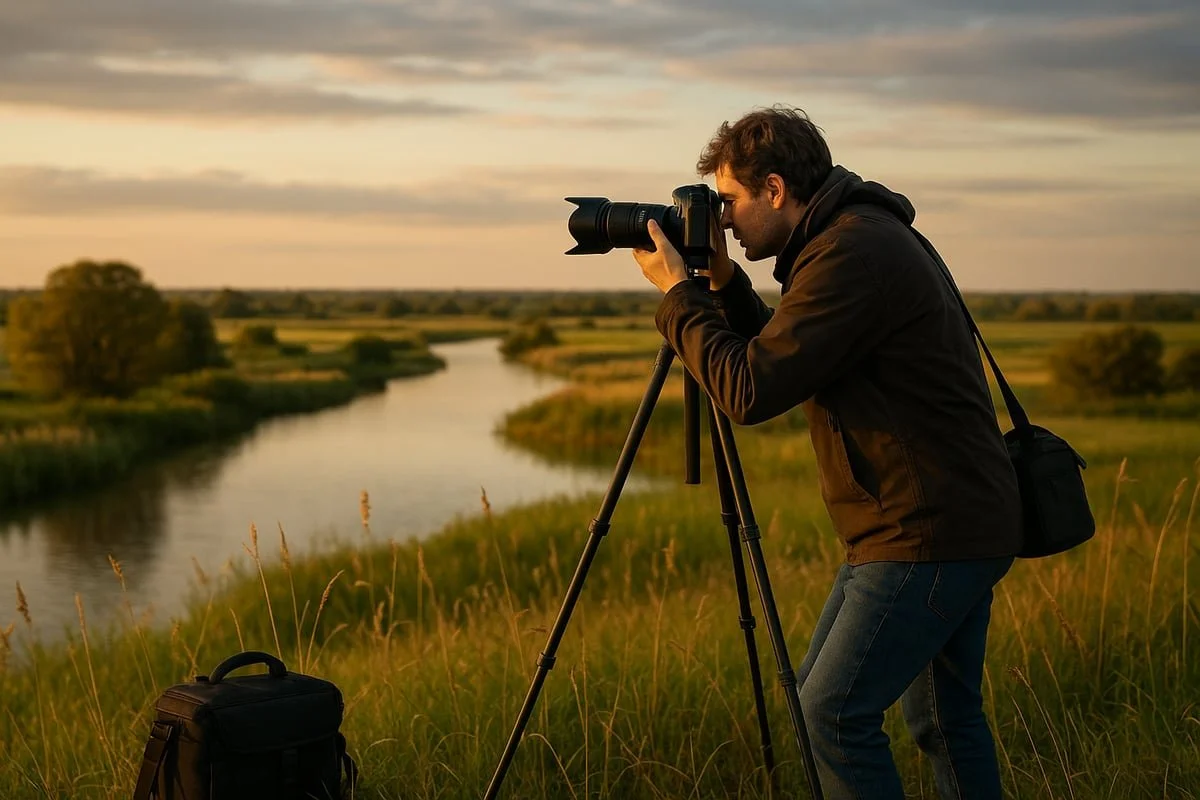
Every norfolk photographer develops a visual voice by exploring different genres, such as landscape, portrait, documentary, and wildlife. Try shooting coastal vistas, local portraits, and rural scenes to discover what resonates most.
Experiment with various techniques unique to Norfolk, like capturing mist over the Broads or the geometry of windmills. Over time, these repeated themes and stylistic choices will help distinguish your work and attract attention from viewers seeking authentic Norfolk imagery.
Building a Consistent Portfolio
A strong norfolk photographer portfolio should balance variety with a recognisable style. Focus on curating your top images that best showcase your approach and the diverse beauty of Norfolk.
Here are key steps for portfolio consistency:
Select images with a cohesive colour palette or editing style.
Include a mix of landscapes, wildlife, and cultural scenes.
Regularly update your portfolio to reflect new skills and discoveries.
Presenting your work in both online galleries and print displays will help you reach a wider audience and reinforce your photographic identity.
Learning from Local and Visiting Photographers
Learning is vital for every norfolk photographer, whether you are just starting or refining your craft. Attend workshops, join photography outings, and connect with peers for inspiration and feedback.
Collaborating with others will expose you to new perspectives and help you grow both technically and creatively.
Sharing and Promoting Your Work
A norfolk photographer can amplify their reach by sharing images through social media, exhibitions, and local publications. Engaging with the Norfolk community online and in person builds credibility and opens doors for new opportunities.
For those interested in documentary and candid styles, consider these tips for capturing candid photography moments to ensure your images feel authentic and true to local life. Use hashtags and location tags to connect with fellow photographers and Norfolk enthusiasts.
Overcoming Creative Blocks
Even the most experienced norfolk photographer faces creative slumps. Seek inspiration in Norfolk’s ever-changing light, weather, and seasons. Setting personal challenges, such as photographing a new location each month, can reignite your passion.
Try collaborating with other creatives or revisiting favourite spots at different times of day. Remember, persistence and curiosity are your allies as you continue to refine your signature style.
Resources and Further Learning for Norfolk Photographers
For any norfolk photographer aiming to further their skills, a wealth of local and online resources is available. Building your knowledge, connecting with peers, and staying informed are crucial for creative growth and professional development.
Local Photography Groups and Workshops
Joining a local group is invaluable for any norfolk photographer. Norfolk boasts active clubs like Norwich & District Photographic Society and King's Lynn Camera Club, both welcoming members of all skill levels.
Workshops run by local professionals offer hands-on experience in landscapes, wildlife, and documentary styles. Many norfolk photographer events include guided photo walks, portfolio reviews, and guest speaker evenings. These settings foster networking, collaboration, and real-world learning.
Recommended Books, Courses, and Online Tutorials
A norfolk photographer benefits from well-curated learning materials. Top-rated books on landscape and wildlife photography provide foundational techniques, while online courses offer flexibility for busy schedules.
Platforms like YouTube and Skillshare feature tutorials specific to UK environments. For those interested in capturing authentic local stories, this Family documentary photography guide offers practical advice on documenting Norfolk's people and culture. Continuous learning ensures you stay ahead in a fast-evolving field.
Essential Apps and Tools for Fieldwork
Every norfolk photographer should equip themselves with essential digital tools. Apps such as PhotoPills and The Photographer's Ephemeris help plan shots by tracking sun position, golden hour, and tides. Weather apps like Met Office ensure you are prepared for Norfolk’s ever-changing conditions.
Fieldwork requires staying organised, so consider note-taking apps and portable editing software for on-the-go adjustments. These resources streamline your workflow and maximise your time in the field.
Photography Competitions and Exhibitions in Norfolk
Norfolk hosts a variety of photographic competitions throughout the year, offering norfolk photographer enthusiasts the chance to showcase their work. Events like the Norfolk Wildlife Trust annual photo contest and local exhibitions at Norwich Castle Museum provide valuable exposure and feedback.
Participating in these events can boost your portfolio, connect you with the wider photographic community, and inspire new creative directions. Keep an eye on local event calendars for submission deadlines.
Staying Updated with Local Photography News
A norfolk photographer thrives by staying informed. Subscribe to newsletters from local clubs and follow Norfolk-based photography blogs for updates on workshops, exhibitions, and community projects.
Social media groups dedicated to Norfolk photography provide daily inspiration, advice, and opportunities to share your work. Engaging regularly with these platforms keeps you connected and motivated, ensuring you never miss a chance to grow and collaborate.
Now that you’ve got these essential tips for capturing Norfolk’s stunning scenery and authentic moments, you might be thinking about how to put them into practice for your own special day or next big project. I’m here to make the whole experience comfortable and enjoyable, so you can focus on creating memories while I handle the storytelling through my lens. If you’re curious about how I approach weddings or want to see what’s possible, why not check out our services? Let’s make sure your story is one you’ll cherish forever.