
The Story of Photography Guide: Explore Its Evolution 2026
Imagine a world where no wedding albums exist, no historical events are captured, and no stories are told through images. The story of photography is a journey filled with invention, artistry, and cultural transformation. This guide will take you through each pivotal step, from the earliest experiments to the innovations shaping photography as we approach 2026.
Unveil the magic behind every photograph we see today. Discover the moments and breakthroughs that shaped this medium. Be inspired to appreciate and perhaps join the ongoing evolution of photography. Explore further, whether you are a hobbyist, professional, or enthusiast.
We will cover its origins, major technological shifts, the rise of artistic and documentary photography, digital transformation, and what the future may hold.
The Origins of Photography: 19th Century Beginnings
The story of photography begins not with a single invention, but through centuries of curiosity and experimentation. In the early 1800s, the foundation was laid for a transformation in how humanity records and remembers its world.
Early Experiments and Discoveries
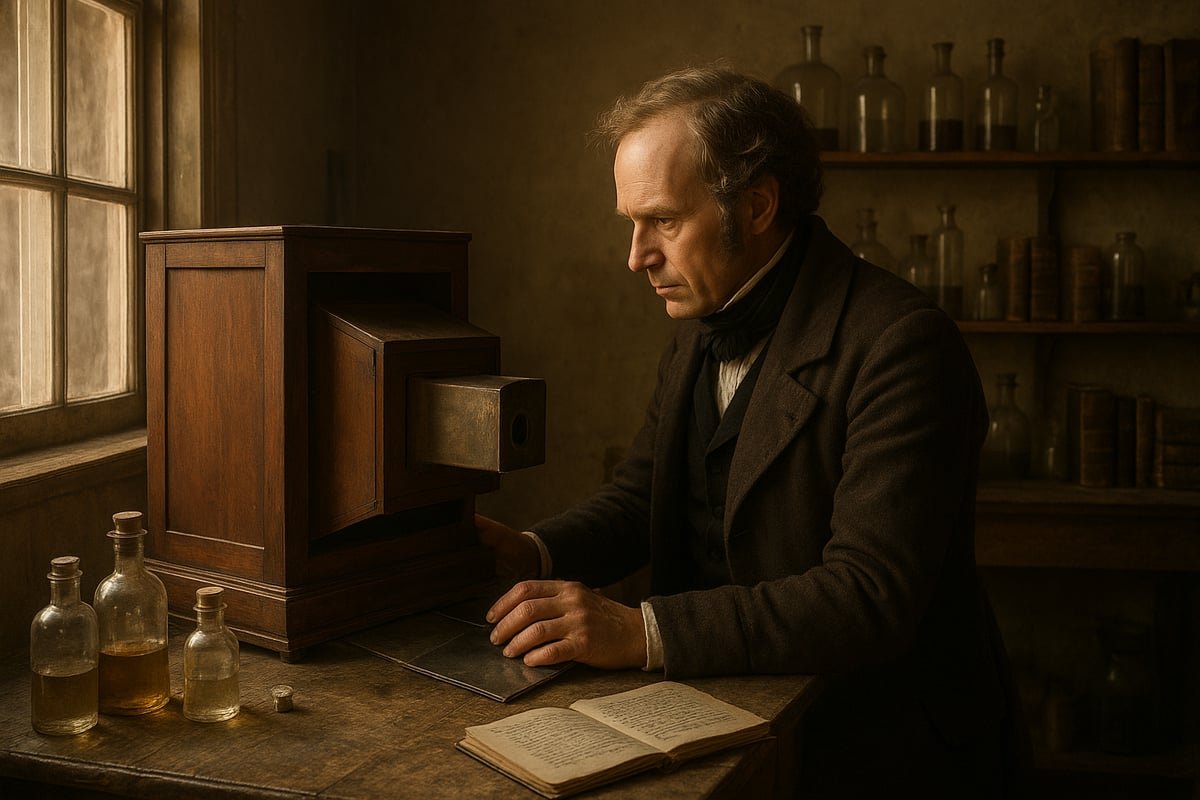
Before the first photograph was ever captured, the camera obscura—a simple device projecting an image through a small hole onto a surface—intrigued artists and scientists alike. This optical principle, known since antiquity, became the backbone for the story of photography.
In 1826, Joseph Nicéphore Niépce produced the first permanent photograph using heliography. His image, “View from the Window at Le Gras,” required an exposure time of several hours, yet marked a pivotal moment in the story of photography. Just a few years later, Louis Daguerre introduced the daguerreotype in 1839, a process that created detailed images on silver-plated copper. The daguerreotype quickly captivated the public due to its clarity and novelty.
William Henry Fox Talbot, working independently in England, developed the calotype process. Unlike the daguerreotype, the calotype produced paper negatives, enabling the reproduction of multiple prints from a single exposure. This innovation was crucial for the story of photography, as it introduced the concept of mass image reproduction.
Sir John Herschel contributed by coining essential terminology—such as “photography,” “negative,” and “positive”—and inventing the hypo fixer, making images more stable and permanent. The public’s reaction to these early photographic images was a mix of awe and disbelief, with many seeing them as almost magical.
By 1850, daguerreotype studios had spread across Europe and America, making portraiture more accessible than ever before. For a comprehensive overview of these foundational developments and their cultural significance, see the History of Photography.
The early decades of the story of photography set the stage for a new era of visual communication.
The Spread and Social Impact of Early Photography
As the story of photography unfolded, the establishment of portrait studios allowed members of the growing middle class to commission their own likenesses. This accessibility disrupted the world of painted portraiture, making personal visual records possible for many who could not previously afford them.
Photography’s influence quickly extended beyond personal mementoes. It became a powerful tool for documenting historic events, such as the Crimean War and the American Civil War. Mathew Brady’s extensive documentation of the Civil War stands as a landmark, bringing the realities of conflict to the public in a way never seen before.
The story of photography also intersected with scientific advancement. Photographs were used in astronomy to capture the moon and stars, and in botany to record plant specimens with precision. This ability to create objective records helped shift image-making from an elite pursuit to one embedded in everyday life.
By the mid-19th century, the story of photography had begun to democratise visual culture. Ordinary people could now preserve their families’ histories, and societies could witness and remember important events through images rather than words alone. The proliferation of photographic studios and portable techniques ensured that photography would become an integral part of modern identity and memory.
The story of photography in the 19th century is one of invention, adaptation, and profound social change. As the medium evolved, it reshaped not just how people saw themselves, but how they understood the world around them.
The Age of Innovation: From Wet Plates to Colour Photography
The late 19th and early 20th centuries marked a period of extraordinary progress in the story of photography. New inventions rapidly transformed photography from a laborious science into a popular pastime and powerful cultural tool. This era set the stage for photography’s mainstream acceptance, shaping the way we capture, view, and share the world.
Technological Advances in the Late 19th and Early 20th Centuries
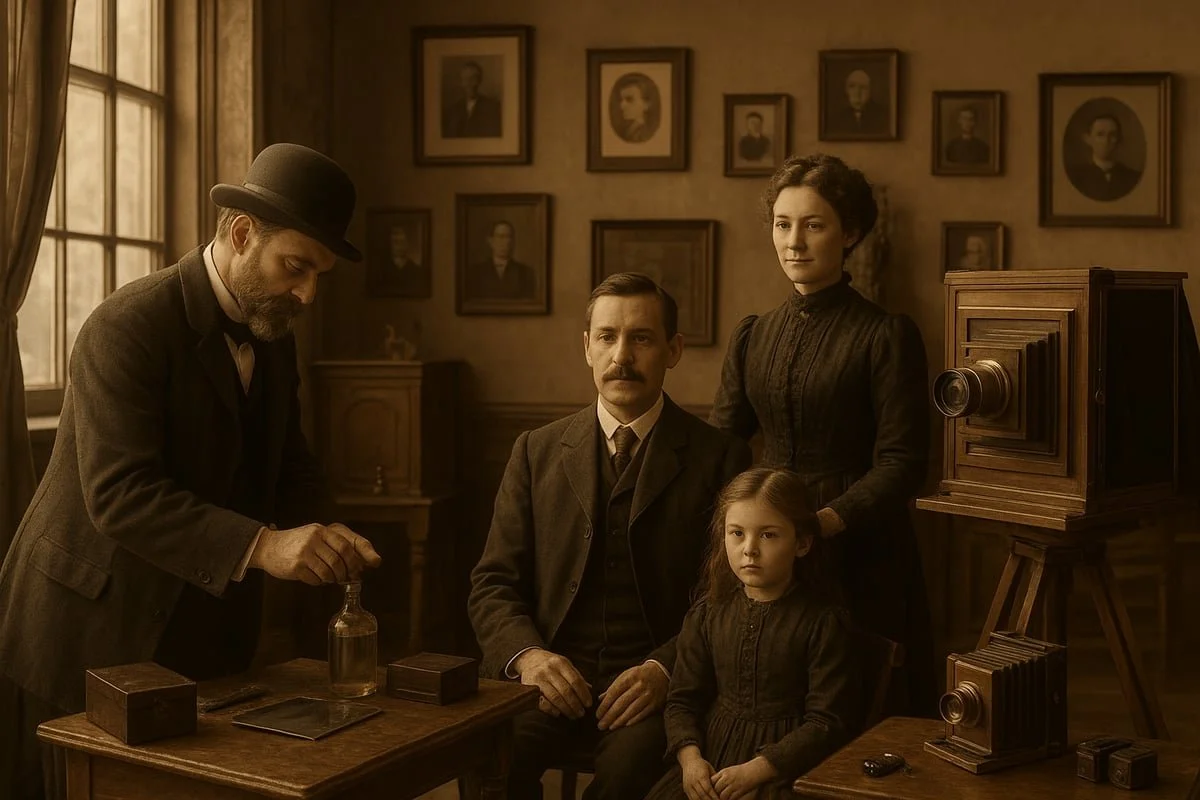
At the heart of the story of photography during this era was the search for greater speed, clarity, and accessibility. The introduction of the wet collodion process by Frederick Scott Archer in 1851 was a game-changer. It combined the detail of daguerreotypes with the reproducibility of calotypes, producing sharp images on glass plates.
This innovation enabled mass reproduction and sharper photographs, which were soon improved by the rise of glass plate negatives. Dry plate technology soon followed, allowing photographers to prepare plates in advance and work more flexibly in the field.
A pivotal breakthrough arrived with the invention of handheld cameras. George Eastman’s Kodak camera in 1888, with its slogan “You press the button, we do the rest,” changed the landscape entirely. Photography was no longer limited to professionals; anyone could document their lives.
The Brownie camera, launched in 1900, made snapshot culture a reality. By bringing cameras into millions of homes, Kodak’s innovations helped democratise the story of photography and encouraged the growth of candid, authentic visual storytelling. For more insight into this transformation, read about the evolution of candid photography.
By 1900, millions of Kodak cameras had been sold globally. This surge reflected a fundamental shift: photography became a personal, everyday activity, not just a scientific or artistic pursuit. The story of photography was now intertwined with the lives of ordinary people.
The Advent of Colour Photography
As the story of photography progressed, the quest for realism and emotional depth led to the pursuit of colour. The earliest breakthrough arrived in 1861, when James Clerk Maxwell produced the first colour image using three separate exposures with coloured filters. Though experimental, it proved colour photography was possible.
Autochrome Lumière plates, introduced in 1907, became the first commercially successful colour process. These plates used dyed grains of starch to create vibrant, pointillist images. For the first time, photographers could capture the world’s hues with relative ease.
The 1930s saw the arrival of Kodachrome and Agfacolor films, making colour photography widely available to both amateurs and professionals. This development revolutionised advertising, journalism, and personal memories, forever altering the emotional resonance of images.
Publications such as National Geographic embraced colour, using it to bring distant cultures and landscapes to life. The story of photography, now enriched by colour, could evoke stronger feelings and a sense of immediacy.
Colour photography did not simply document reality—it transformed it. The transition from monochrome to colour changed how societies perceived themselves and the world. By the mid-20th century, colour images were everywhere, shaping public taste and memory.
The story of photography in this era is one of relentless innovation, bridging science, art, and society. Each breakthrough brought photography closer to the heart of everyday life, paving the way for future revolutions.
Photography as Art and Document: 20th Century Movements
The 20th century was a turning point in the story of photography. During this era, photography gained recognition as both a legitimate art form and a powerful tool for documenting reality. Innovations in style, technique, and purpose shaped how society saw and valued the medium.

The Rise of Artistic Photography
As the story of photography unfolded, early 20th century artists sought to elevate the medium beyond mere documentation. Pictorialism emerged, with photographers like Alfred Stieglitz and Julia Margaret Cameron striving for painterly effects and emotional impact. Their images featured soft focus, creative compositions, and careful use of light.
This artistic movement aimed to prove that photography could be as expressive as painting or sculpture. The Photo-Secession group, led by Stieglitz, played a crucial role by establishing dedicated galleries and advocating for photography’s artistic value. Edward Steichen’s ethereal portraits and landscapes further advanced the cause.
Modernism soon followed, shifting towards sharp focus, abstraction, and experimentation. Photographers began exploring new angles, unusual perspectives, and the abstract qualities of everyday life. Stieglitz’s “The Steerage” is a key example, blending documentary and modernist elements. Through these developments, the story of photography gained new creative depth and legitimacy within the art world.
Documentary and Social Photography
While artistic photography flourished, another branch of the story of photography emerged: the use of the camera as a tool for social change. Photographers like Lewis Hine documented harsh working conditions, particularly child labour in factories. Their images became powerful evidence for reformers, helping to influence public policy.
The Great Depression brought iconic documentary photographs from Dorothea Lange and Walker Evans, whose work captured the struggles and dignity of ordinary people. Magnum Photos, founded in 1947, revolutionised photojournalism by giving photographers control over their images and stories.
War photography also became central to the story of photography. Robert Capa’s daring frontline images and the coverage of conflicts like the Vietnam War revealed the human cost of global events. The impact of these images extended far beyond their original audiences.
To see how documentary approaches continue to influence modern practice, explore documentary style wedding photography, which blends candid observation with artistic intent.
The Expansion of Genres and Styles
The story of photography in the 20th century is also marked by an explosion of genres and styles. Fashion photography, led by figures like Cecil Beaton and Richard Avedon, brought glamour and innovation to magazines such as Vogue. Their striking compositions redefined beauty and style.
Street photography emerged as a dynamic genre, thanks to Henri Cartier-Bresson’s concept of the “decisive moment.” Photographers roamed city streets, capturing spontaneous slices of life and revealing the rhythms of urban existence. Surrealism and experimental techniques, such as Man Ray’s photograms, pushed the boundaries of what photography could express.
Photography’s influence spread into advertising, cinema, and pop culture. By the 1960s, millions of photographs were taken and published every year, reflecting the medium’s growing cultural significance. The story of photography became inseparable from the story of modern life, shaping how people saw themselves and the world.
The Digital Revolution: Photography in the 21st Century
The 21st century has seen a dramatic transformation in the story of photography. This era is defined by rapid technological innovation, instant global sharing, and the blending of creativity with cutting-edge science. Today, photography is not just a way to document life, but a dynamic force shaping culture in ways never imagined.

The Shift from Film to Digital
The transition from film to digital marks a pivotal chapter in the story of photography. In the 1990s, the arrival of digital sensors and the first consumer digital cameras changed how people captured and stored images. No longer reliant on rolls of film or darkrooms, photographers could instantly view and edit their work.
This digital leap led to the decline of film sales and the rise of convenience. The so-called "megapixel race" drove camera makers to push technological boundaries each year. By the early 2000s, smartphones began integrating advanced cameras, making photography accessible to nearly everyone. The story of photography shifted from being the domain of professionals to a global hobby.
A key example is the Kodak digital camera, which brought the art form to the masses. Millions of digital cameras were sold worldwide as people embraced the ability to capture everyday life. If you are interested in a deeper look at this transition, Digital Photography Development offers a comprehensive overview of the key milestones that shaped this era.
Today, the story of photography is inseparable from digital technology, with over 1.4 trillion digital photos taken worldwide in 2020. This revolution has made image-making truly democratic and ubiquitous.
The Impact of the Internet and Social Media
The story of photography gained new dimensions with the rise of the internet and social media platforms. Sites like Flickr, Instagram, and Pinterest turned photography into a social experience, giving everyone a stage to showcase their creativity. Instant sharing has made it possible for images to go viral within minutes, amplifying their influence on culture and trends.
Visual storytelling became central to marketing, journalism, and personal branding. Influencers and brands use compelling photos to connect with audiences, while iconic images circulate globally in real time. However, this connectivity introduced challenges in the story of photography, such as concerns over authenticity and manipulation. Tools like Photoshop and the emergence of deepfakes have made it harder to trust what we see.
Despite these challenges, the internet has redefined both the audience and the purpose of photography. Instagram’s role in shaping trends and launching careers is a testament to the platform’s impact. The story of photography now includes the power to shape narratives, influence opinions, and create communities across continents.
New Frontiers: AI, Computational Photography, and Beyond
The latest chapter in the story of photography is written with artificial intelligence and computational power. Cameras now use AI to enhance images, recognise faces, and optimise scenes automatically. Computational photography features such as HDR, panoramic stitching, and night modes have raised expectations for image quality, even in challenging conditions.
Innovations like 360° and VR photography are opening up new ways to experience and share the world. At the same time, ethical debates have emerged about privacy, consent, and the potential for manipulation. These conversations are essential as the story of photography continues to evolve.
Smartphone cameras now account for over 85% of all photos captured worldwide, highlighting how technology has blurred the lines between amateur and professional. As we look ahead, the story of photography promises even more possibilities, ensuring its relevance and excitement for generations to come.
Photography’s Role in Modern Society: Culture, Memory, and Identity
Photography sits at the heart of modern culture, shaping how we remember, perceive, and connect with the world. As we explore the story of photography, it becomes clear that images do far more than decorate our lives—they influence our collective consciousness, document pivotal moments, and preserve memories for future generations.
The Power of Images in Shaping Perception
Throughout the story of photography, images have acted as powerful agents of change and reflection. Photojournalism brings distant events into our living rooms, from humanitarian crises to moments of triumph. Images such as the “Tank Man” at Tiananmen Square or the raising of the flag at Iwo Jima have altered public opinion and become global symbols.
Photography drives activism. Powerful visuals can move people to action more effectively than words alone. Campaigns for social justice, environmental awareness, and humanitarian aid rely on strong imagery to highlight issues and evoke empathy.
Politics and propaganda have also harnessed the story of photography to shape narratives and influence behaviour. Photographs serve as evidence, tools for persuasion, and sometimes as instruments of misinformation. In education, photo archives preserve visual history, allowing us to study and interpret the past with vivid clarity.
Consider how a single image can spark debate, inspire movements, or alter the course of history. The story of photography is a testament to the unique ability of images to cross language barriers and leave a lasting mark on society.
Personal Photography: Memory, Family, and Milestones
On a personal level, the story of photography is woven into our daily lives. Family albums, wedding portraits, and candid snapshots help us celebrate milestones and remember loved ones. These images become visual anchors for our identity, capturing fleeting moments and turning them into lasting memories.
The evolution of the family album—from printed photographs to digital galleries and cloud storage—reflects how photography adapts to societal change. Today, the psychology of the selfie and the drive to document daily life show how photography shapes self-perception and social interaction.
Weddings remain a prime example of photography’s emotional resonance. The tradition of wedding albums endures, providing families with treasured heirlooms. Personal storytelling through photography is valued more than ever, as people seek to document their unique journeys and preserve connections across generations.
Professional photographers play a key role in helping families and individuals create meaningful visual stories. If you are interested in learning more about the value and approach behind these images, Family documentary photography insights offers a detailed perspective on how photography preserves personal and collective memory.
As we continue to write the story of photography, every snapshot, portrait, and candid moment contributes to a rich tapestry of shared human experience. Photography is not just about recording the present; it is about ensuring that our stories endure, shaping who we are and how we will be remembered.
The Future of Photography: Trends and Predictions for 2026
As we look ahead to 2026, the story of photography enters an era defined by rapid innovation and new creative frontiers. The medium continues to shape how we see the world, blending technology, artistry, and social impact. What does the future hold for photographers, enthusiasts, and society at large? Let’s explore the trends and predictions set to redefine the story of photography for the next generation.
Technological Innovations on the Horizon
Technological progress remains at the core of the story of photography. New sensors are pushing the boundaries of resolution, delivering sharper images and improved low-light performance. Artificial intelligence is transforming cameras into smart tools that can recognise scenes, optimise settings, and even edit images automatically.
Computational photography is another game changer. Features like HDR, panoramic stitching, and advanced night modes are now standard, making professional results accessible to everyone. Augmented reality (AR) is expected to play a larger role, blending physical and digital worlds for immersive visual experiences.
The global digital camera market is forecast to exceed £15 billion by 2026, highlighting the sector’s resilience and growth. The evolution of the camera phone has been crucial in making photography ubiquitous, as explored in Camera Phone Evolution. In the coming years, expect even more seamless integration between devices, cloud services, and creative software.
Evolving Styles and New Forms of Expression
The story of photography is also about how creative boundaries shift. As we approach 2026, expect to see the lines blur between still images, video, and digital art. Photographers are increasingly experimenting with mixed media, using animation, sound, and interactive elements to enhance storytelling.
NFTs and blockchain technology are changing the way photographers protect and monetise their work. Ownership is becoming more transparent, and new platforms allow artists to sell digital originals directly to collectors.
At the same time, analogue and alternative processes are enjoying a resurgence among artists seeking tactile, hands-on methods in a digital world. Hybrid exhibitions—combining physical prints with virtual galleries—are creating new spaces for expression and engagement. The story of photography continues to evolve as artists embrace both tradition and innovation.
Societal and Ethical Considerations
With greater power comes greater responsibility in the story of photography. As images become easier to create and share, issues of digital literacy, privacy, and consent are at the forefront. The need to verify authenticity is growing, especially as manipulated images and deepfakes become more sophisticated.
Photographers and audiences alike must consider the ethical implications of image-making. Surveillance technology, facial recognition, and data collection raise questions about rights and freedoms in an image-saturated society.
Despite these challenges, photography remains a powerful force for social impact and advocacy. Visual stories can drive change, highlight injustice, and amplify voices that might otherwise go unheard. As the story of photography unfolds, its ethical dimensions will be more important than ever.
How to Participate in the Ongoing Story of Photography
The future of the story of photography is open to all. Whether you are a beginner or a seasoned professional, there are many ways to get involved and shape the next chapter.
Invest in education: Attend workshops or take online courses.
Experiment with new techniques: Try computational photography or alternative processes.
Join photography communities: Share work, seek feedback, and collaborate.
Develop a personal style: Find your unique voice and vision.
Resources abound for those eager to learn and grow. The story of photography is not just about technology or trends—it is about the people who use images to document, interpret, and inspire. Now is the perfect time to contribute your perspective and be part of photography’s vibrant future.
As you’ve just explored the remarkable journey of photography from its earliest beginnings to its exciting future, it’s clear how powerful and meaningful a single image can be—especially on life’s most cherished days. Whether you’re inspired by the evolution of storytelling or the artistry behind each frame, your own moments deserve to be captured with care and authenticity. If you’re planning a wedding or special celebration and want your story told with the same dedication to emotion and detail, I invite you to check out our services. Let’s make memories together that truly last.