
Candid Photography Guide: Master Natural Moments in 2026
Imagine capturing life’s most genuine moments: laughter, surprise, and raw emotion, all preserved forever without a single forced pose. In this guide, you will discover how candid photography can help you document authentic, natural moments with ease in 2026. We will walk you through the art and evolution of candid photography, essential gear and camera settings, practical shooting techniques, legal and ethical considerations, editing tips, and advice for developing your unique style. Ready to transform how you see and capture the world? Dive in and master the secrets of true spontaneity.
The Art and Evolution of Candid Photography
Candid photography captures the essence of life as it unfolds, preserving moments filled with genuine emotion and spontaneity. Unlike posed portraits, these images invite viewers into real stories, offering a window into unguarded human experiences. As visual culture continues to evolve, understanding the art and history of candid photography is essential for anyone seeking to document authentic moments.
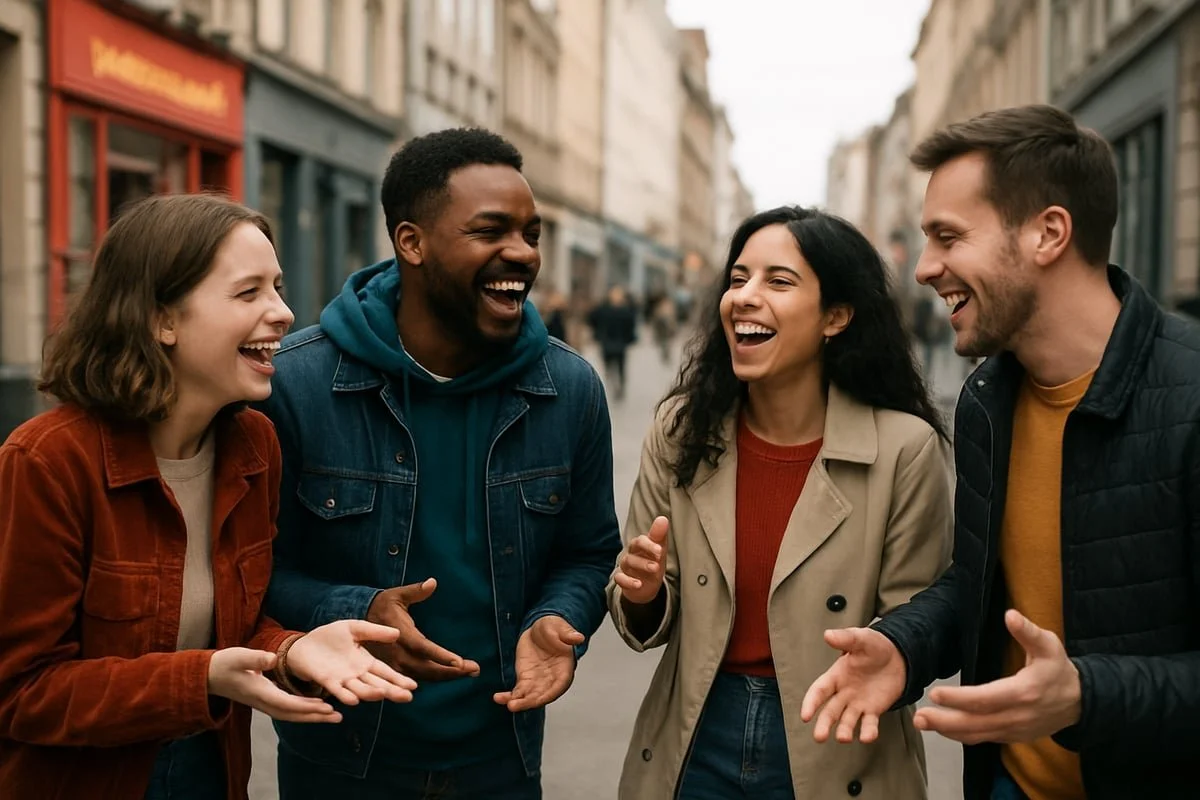
Defining Candid Photography
Candid photography stands apart from traditional posed photography by focusing on unscripted, natural moments. Instead of directing subjects, the photographer observes and waits, documenting real emotions as they appear. This approach thrives in genres such as street, event, wedding, and documentary photography. A prime example is Henri Cartier-Bresson's concept of the "decisive moment," where the photographer captures the peak of an unfolding scene.
It is important to distinguish candid photography from secret photography. While both may involve unplanned shots, candid photography seeks to respect intent and ethics, avoiding intrusion or exploitation. The aim is to tell stories, not to invade privacy. Modern visual storytelling often relies on these authentic images, which resonate with audiences far more than staged alternatives.
If you want to see inspiring examples and practical tips, explore these candid photos in real moments, which demonstrate the power and artistry of this genre.
Historical Milestones and Influential Photographers
The journey of candid photography began with pioneers like Erich Salomon and Henry Bond, who used early portable cameras to document life discreetly. The introduction of the Leica camera in the 1920s revolutionised the field, allowing photographers to move unnoticed and capture fleeting expressions.
Figures such as Henri Cartier-Bresson, Arthur Fellig (Weegee), and René Burri set new standards for candid photography, using their craft to shape documentary and street genres. As technology evolved, the shift from film to digital cameras—and now smartphones—has made candid photography accessible to all. Industry reports highlight a surge in candid and documentary-style wedding photography, reflecting changing client preferences.
Photojournalism and street photography have both played significant roles in shaping the candid approach, influencing how photographers capture unscripted, impactful stories.
Why Candid Photography Matters in 2026
In 2026, candid photography is more relevant than ever. Audiences crave authenticity, and candid images offer a genuine alternative to the overly curated content that often dominates digital platforms. Social media has amplified the reach of candid photography, with statistics from platforms like Instagram and TikTok revealing higher engagement for candid content compared to staged photos.
The emotional depth and storytelling potential of candid photography foster a sense of connection and relatability. These images invite viewers to experience moments as they happened, bridging gaps and building trust. As visual storytelling continues to evolve, candid photography will remain a vital tool for capturing the heart of human experience.
Essential Equipment and Settings for Candid Photography
Capturing the essence of candid photography begins with choosing the right equipment and settings. Your gear should help you remain discreet and agile, ensuring you never miss a spontaneous moment. Let us explore the cameras, settings, and accessories that will set you up for success in candid photography.
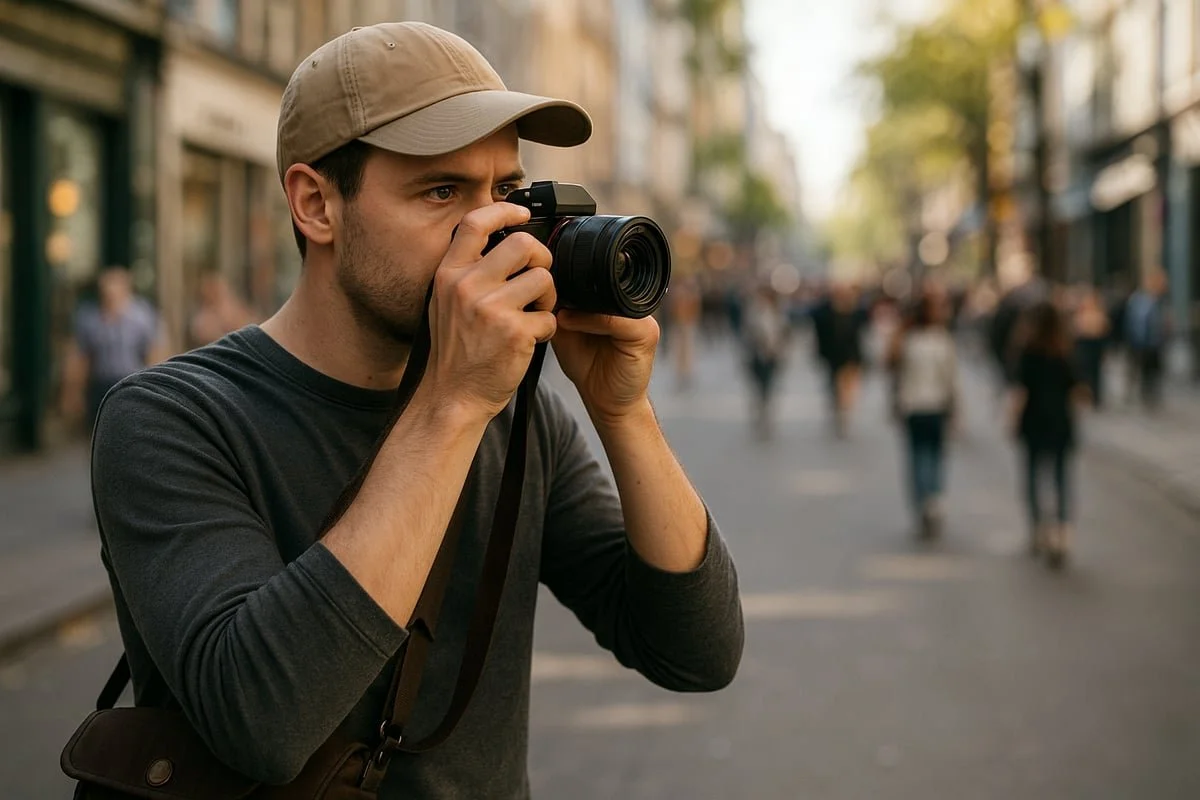
Choosing the Right Camera and Lenses
Selecting the right camera is crucial for candid photography. Mirrorless cameras have become a favourite for their compact size, quiet operation, and fast autofocus. DSLRs still appeal to those who prefer optical viewfinders and robust build quality. Smartphones are also popular, offering convenience and impressive image quality for spontaneous shots.
Prime lenses, such as 35mm and 50mm, are ideal for candid photography, as they are fast and allow you to work close to your subjects. Telephoto lenses, like an 85mm or 135mm, help you capture moments from a distance without intruding. Leica cameras, renowned for their discreet design, have been a staple in candid work for decades.
Camera Settings for Natural Results
Mastering your camera settings is key in candid photography. Aperture priority mode offers flexibility, letting you adjust depth of field while the camera handles shutter speed. A setting around f/8 provides enough depth for sharp images, while a shutter speed of 1/250s or faster helps freeze action.
In low-light scenarios, do not hesitate to raise your ISO to 800, 1600, or even 3200. Modern cameras handle noise well, preserving image quality in challenging conditions. Zone focusing, where you pre-set focus distance, is effective for street scenes, as is using manual focus for consistency.
Many street photographers prefer silent shutter modes to avoid drawing attention and rely on continuous autofocus for sharp, spontaneous images. Experiment with your camera’s settings to find what best matches your candid photography style.
Accessories and Tools
Accessories can make a significant difference in candid photography. Choose discreet camera straps and bags that blend in, making you less noticeable. Lens hoods and filters protect your gear and help control glare outdoors.
Silent shutter modes are invaluable for candid work, reducing noise and keeping you unobtrusive. The market has seen a notable increase in compact camera and lens sales, reflecting a shift towards gear that supports the spontaneous, agile nature of candid photography. According to Photography Industry Statistics 2025, the demand for portable equipment continues to grow as candid photography becomes more popular.
Other useful tools include spare batteries, extra memory cards, and simple cleaning kits. These ensure you are always ready to capture those fleeting, genuine moments that define candid photography.
Mastering the Candid Approach: Techniques for Natural Moments
Perfecting the art of candid photography requires more than technical skill. It demands sensitivity, observation, and the ability to blend into your environment. By focusing on your approach and mindset, you can consistently capture images that feel genuine and unposed.
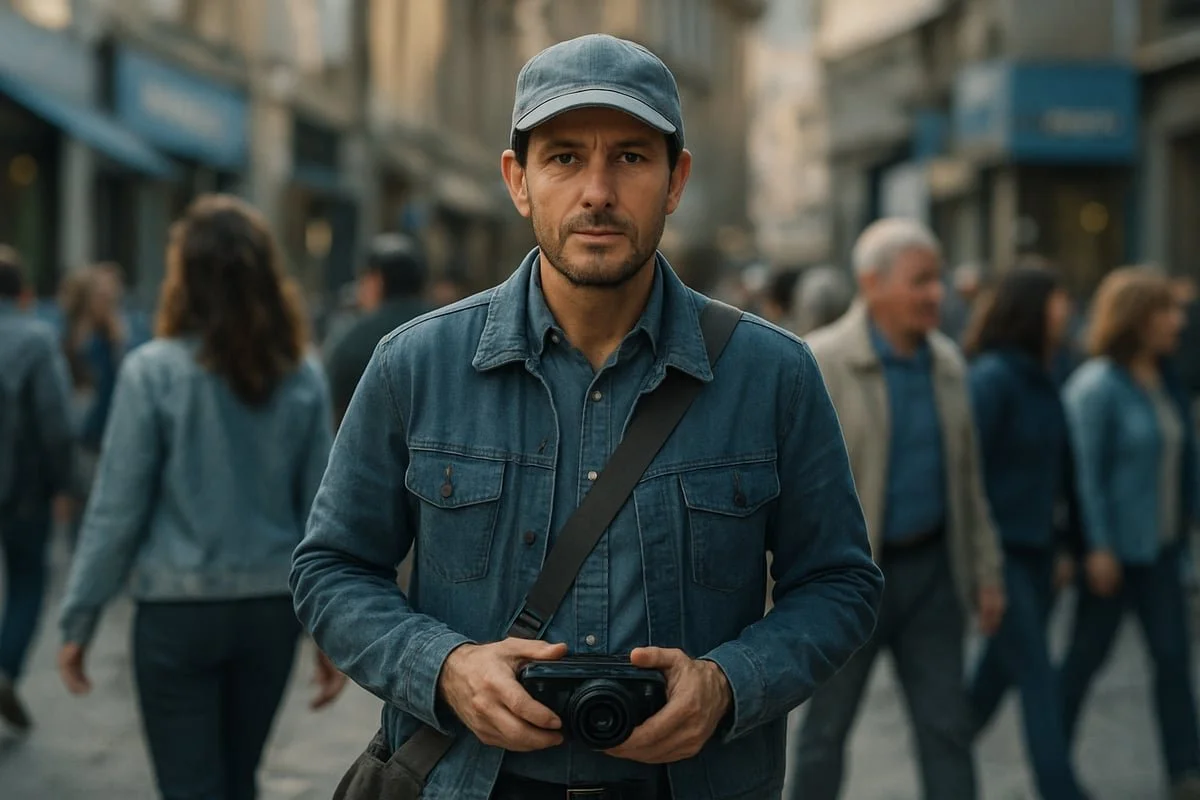
Blending In and Building Comfort
To achieve truly authentic candid photography, you must first become a part of the environment. Dress in a manner that matches the setting, whether you are at a wedding, a family event, or on the street. Avoid bright colours or conspicuous gear that could draw attention.
Move with assurance and purpose, but do not rush. Subtle movements help you remain unnoticed by potential subjects. Avoid direct eye contact unless you intend to engage, as this can make people self-conscious.
Techniques borrowed from acting can help: act as a bystander, adjusting your body language to appear relaxed and non-threatening. If you are photographing at an event, introduce yourself to a few guests, then quietly observe from the sidelines. The more comfortable people feel, the more natural their expressions become. Practice these steps and you will notice your candid photography improves, as genuine moments unfold before your lens.
Observational Skills and Anticipation
Observation is at the heart of candid photography. Train yourself to read body language and facial expressions. Anticipate when a laugh, gesture, or interaction is about to happen. This foresight allows you to be ready with your camera at the crucial instant.
Scout your location for high-potential spots. Look for areas where emotions run high, such as entrances, dance floors, or playgrounds. Patience is essential. Sometimes, lingering in one place and letting subjects come to you yields the most powerful images.
Mastering these observational skills ensures you do not merely react, but actively predict and capture the most meaningful moments in candid photography.
Shooting Techniques for Authenticity
Successful candid photography often relies on discreet shooting methods. Try shooting from the hip to avoid raising the camera to your eye, which can alert subjects. Use reflections in mirrors or windows to add layers and context to your scene.
Quick composition is crucial. Capture fleeting expressions by framing your shot rapidly, even if imperfect. Enable continuous shooting mode to record several frames in succession, increasing your chances of catching the perfect moment.
For more in depth guidance on capturing genuine, spontaneous moments, you may find how to capture authentic moments particularly helpful. Using background elements creatively can also help tell a richer story, making your candid photography stand out.
Working with Light and Composition
Natural light is a key ally in candid photography. Seek out soft, even lighting, such as that found in shaded outdoor areas or near large windows. Avoid using flash whenever possible, as it can disrupt the authenticity of a scene and make subjects aware of your presence.
Balance your exposure carefully to preserve both highlights and shadows. The rule of thirds is a reliable starting point for dynamic compositions, but do not be afraid to experiment. Dynamic angles, leading lines, and creative framing can elevate the emotional impact of your images.
By working with available light and thoughtful composition, you can ensure your candid photography remains both natural and visually compelling.
Overcoming Fear and Building Confidence
Many photographers feel apprehensive when photographing strangers or unfamiliar settings. The key is to approach candid photography with respect and confidence. If someone notices you, offer a polite smile and be ready to explain your project clearly and honestly.
If questioned, calmly describe your intent, and be willing to share or delete images if requested. Building resilience comes with practice. The more you immerse yourself in different environments, the more comfortable you will become.
Remember, every candid photography session is an opportunity to learn, grow, and develop your unique visual voice. With each step, your confidence and skill will increase, allowing you to capture the world’s most authentic moments.
Step-by-Step Guide: Capturing Candid Moments Like a Pro
Mastering candid photography is not just about pressing the shutter at the right time. It is a thoughtful process that unfolds in deliberate steps. Whether you are at a bustling wedding, a lively street market, or a quiet family gathering, this guide will walk you through each phase to help you capture those genuine, unposed moments.
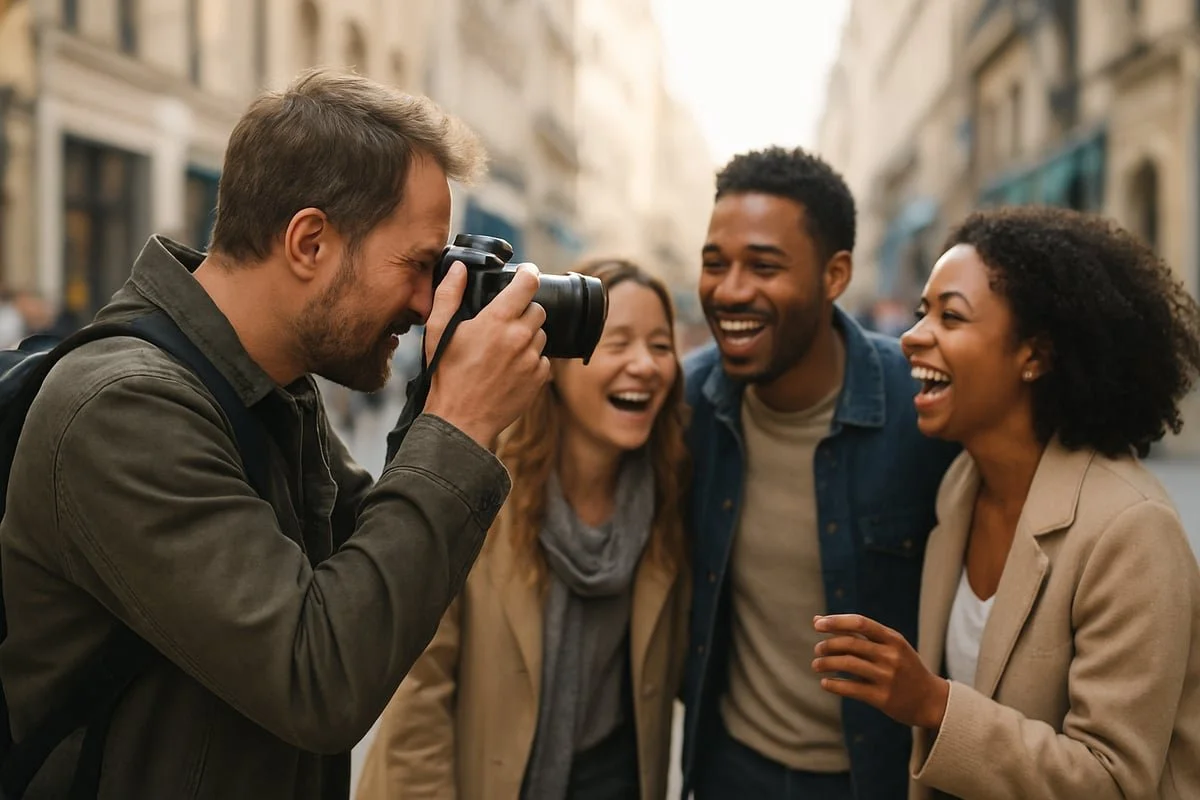
Step 1: Prepare Your Gear and Settings
Before you step out to capture candid photography, ensure your equipment is ready for action. Choose a camera and lens that suit your environment. For street or event work, a compact mirrorless camera with a fast 35mm or 50mm prime lens is ideal for discretion and quick focusing.
Check your battery is charged and your memory cards are empty. Preset your camera for anticipated lighting conditions. Use aperture priority mode for flexibility, setting your aperture around f/8 for balanced depth and detail. Set your ISO based on the available light, often between 800 and 3200 for indoor or low-light situations. These preparations allow you to react instantly when a candid moment arises.
Step 2: Scout and Observe Your Environment
The foundation of successful candid photography is knowing where to look. Scout locations where people are naturally expressive, such as parks, markets, or social gatherings. Observe the flow of activity and look for emotionally rich interactions, like friends greeting or children playing.
Take note of lighting conditions and background elements that could enhance your story. Patterns often emerge, such as guests congregating at a wedding entrance or families gathering in a park. By identifying these hotspots, you position yourself to anticipate and capture authentic, fleeting moments.
Step 3: Blend In and Wait for the Moment
To capture true candid photography, you must become part of the scene. Dress appropriately to match your environment, and move with confidence so as not to draw attention. Find a spot with a clear view and remain still, allowing life to unfold naturally around you.
Avoid making direct eye contact with potential subjects. People are more likely to relax and behave authentically if they do not feel observed. This technique is particularly effective at family events or gatherings. For further insights on blending in and capturing natural family moments, explore these family documentary photography insights.
Step 4: Compose and Shoot Quickly
When the perfect moment presents itself, act swiftly. Use hip shooting or raise your camera discreetly, relying on zone focusing or quick autofocus to maintain sharpness. Continuous shooting mode can help you capture a sequence of expressions or gestures, increasing your chances of finding the most authentic frame.
Compose your shot with intention, even in a split second. Look for elements like reflections, doorways, or leading lines to add context and depth. Capturing candid photography often means working quickly, so trust your instincts and do not hesitate.
Step 5: Engage When Appropriate
Sometimes, your presence will be noticed. If someone looks your way or approaches you, handle the interaction with confidence and respect. Smile, explain your candid photography project politely, and be prepared to answer questions.
If a subject expresses discomfort, offer to share or delete the image. This approach builds trust and supports ethical photography practices. At events, communicating clearly with organisers can also help manage expectations and permissions, ensuring everyone feels respected.
Step 6: Review and Select the Best Shots
After your shoot, take time to review and curate your images. Use burst mode to compare frames and select those with the most natural expressions or meaningful interactions. Quality outweighs quantity in candid photography, so focus on images that tell a compelling story.
Look for authenticity, emotion, and context in your selections. These qualities will resonate with viewers and bring your candid photography to life. With consistent practice, your eye for these moments will sharpen, and your portfolio will grow stronger with each session.
Legal and Ethical Considerations in Candid Photography
Capturing authentic moments is at the heart of candid photography, but doing so responsibly means understanding the legal and ethical boundaries. As the popularity of candid photography grows, so do concerns around privacy and consent. Navigating these rules is essential for every photographer in 2026.
Understanding Consent and Privacy Laws
Legal requirements for candid photography vary significantly between the UK, EU, and international jurisdictions. In the UK, you are generally allowed to photograph people in public spaces without consent, provided the images are not used commercially. However, private spaces such as homes, offices, or private events require explicit permission.
Here is a quick summary:
Location
Consent Needed?
Notes
Public Space
Not usually
Commercial use may require a model release
Private Space
Yes
Always seek permission
Events/Weddings
Yes (often)
Confirm with organisers
For commercial candid photography, obtaining a model release is essential, especially if the image will be sold or used in advertising. At events like weddings, it is best practice to clarify permissions with organisers and key participants.
The rise of candid photography in documentary and wedding genres has led to increased scrutiny. For a deeper exploration of these topics, including privacy and ethical approaches, see Candid Photography: Capturing Authentic Moments.
Ethical Best Practices
Ethical considerations in candid photography go beyond legal requirements. Respect for your subjects is fundamental. Always avoid capturing moments that could embarrass, exploit, or misrepresent individuals.
Guidelines for ethical candid photography include:
Never photograph people in vulnerable or distressing situations without consent.
Be especially cautious when photographing children or vulnerable adults; seek permission from guardians whenever possible.
Represent subjects truthfully, avoiding misleading captions or edits.
At family gatherings or private events, ask before shooting candid photography. Open communication fosters trust and ensures everyone feels comfortable being documented.
Dealing with Objections and Conflict
Even with the best intentions, you may encounter objections when practising candid photography. If someone expresses discomfort, remain calm and respectful.
Effective ways to handle objections:
Politely explain your purpose and reassure them about how the image will be used.
Offer to delete or share the photo if requested.
Listen actively and thank them for their feedback.
Recent surveys indicate that public attitudes towards candid photography are evolving, with many people appreciating authenticity but still valuing their privacy. By practising transparency and empathy, you can build positive relationships and uphold the reputation of candid photography.
Editing and Post-Processing for Authentic Candid Photos
Editing is a vital step in candid photography, transforming raw images into powerful, authentic stories. The right approach enhances natural moments without sacrificing their genuine feel. By focusing on thoughtful selection, subtle adjustments, and efficient workflows, you can ensure each candid frame resonates with real emotion and narrative.
Selecting and Curating Images
Effective curation is the foundation of impactful candid photography. Begin by reviewing your images with a critical eye, seeking out those that tell a compelling story or capture an unguarded expression.
Avoid the temptation to include too many similar shots. Quality always outweighs quantity, especially when building a cohesive photo essay. Select images that reflect authentic emotion and flow naturally together.
Ask yourself: Does this image evoke a feeling or narrative? Choosing wisely ensures your candid photography remains engaging and memorable.
Enhancing Without Overprocessing
When editing candid photography, subtlety is key. Adjust exposure, contrast, and colour to bring out the natural atmosphere, but avoid heavy-handed filters or retouching. The goal is to retain the original mood and texture, preserving the authenticity of each moment.
Embrace the unique grain and imperfections that often add character to candid images. For those looking to elevate the background, consider using advanced techniques like photorealistic bokeh rendering. This approach, as explored in Bokehlicious: Photorealistic Bokeh Rendering, can enhance depth while keeping the focus on your subject.
Remember, less is often more when it comes to post-processing candid photography.
Tools and Techniques for 2026
The landscape of candid photography editing is rapidly evolving. Modern software offers AI-powered features that simplify selection and speed up workflow. Popular tools include Lightroom, Capture One, and even mobile apps with advanced presets.
For efficiency, develop a consistent editing workflow. Batch process similar images to maintain a uniform look across your candid photography. Use custom presets tailored for natural tones and subtle contrast.
A quick comparison of popular tools:
Software
Key Feature
Best For
Lightroom
AI selection
Fast batch editing
Capture One
Colour grading
Professional control
Mobile Apps
Presets, on-the-go
Quick social sharing
Staying current with editing trends ensures your candid photography stands out in 2026.
Preserving and Sharing Your Work
Archiving your candid photography is essential for long-term preservation. Store digital files in multiple locations, using both cloud and physical backups to prevent loss.
When sharing, respect privacy and consider your audience. Social media is a powerful platform, but always ensure you have the right permissions. Online galleries and printed albums are excellent ways to showcase curated collections.
Thoughtful sharing not only protects your work but also helps build your reputation in the candid photography community.
Developing Your Unique Candid Photography Style in 2026
Crafting your own candid photography style in 2026 begins with understanding the rich history and dynamic present of the genre. The journey is both personal and creative, inviting you to draw inspiration, experiment with new ideas, and confidently showcase your evolving vision.
Analysing Influences and Inspirations
Begin by studying the legends of candid photography, such as Henri Cartier-Bresson, whose ability to capture the “decisive moment” set a timeless standard. Compare classic street scenes with the fresh perspectives seen on modern social media.
Explore genres like street, family, and event photography to broaden your visual vocabulary. For those drawn to weddings, documentary style wedding photography offers a wealth of inspiration on blending authenticity with storytelling.
Analyse how different photographers use light, timing, and composition. Notice the contrast between traditional masters and today’s Instagram creators, each contributing unique flavours to candid photography.
Experimenting with Techniques and Genres
Push your style by stepping beyond your comfort zone. Try candid photography in various settings: busy streets, intimate family gatherings, or during travel adventures.
Experiment with creative tools, such as reflections, silhouettes, or motion blur, to add depth and emotion. Playing with composition and natural light can help you discover new ways of expressing your vision.
Take time to review your favourite images, noting what techniques resonate most with your approach to candid photography. Each genre you explore will refine your personal style.
Building Confidence and Consistency
Developing confidence in candid photography comes from regular practice. The more you shoot, the more instinctive your timing and decision-making become.
Start with familiar environments and gradually challenge yourself with new situations. Embrace feedback and learn from both successes and missed moments.
Establish a consistent editing routine to unify your body of work. Over time, your unique aesthetic will emerge, making your candid photography instantly recognisable.
Showcasing and Growing Your Portfolio
Create an online presence to share your candid photography with a wider audience. Build a website or curate social media profiles that highlight your best work.
Participate in exhibitions, competitions, or collaborations to gain exposure and connect with other photographers. Consider assembling thematic projects or photo essays to demonstrate your storytelling skills.
A strong portfolio not only showcases your growth but also opens opportunities in professional settings, such as weddings or events, where candid photography is highly valued.
Staying Updated with 2026 Trends
Stay informed about technological advances, like AI-powered editing and smart cameras, which are shaping candid photography in 2026. Monitor social media trends to adapt your style and presentation for evolving audiences.
Follow industry reports to understand the predicted growth of candid photography and adjust your approach accordingly. Continuous learning and adaptation ensure your style remains relevant and compelling.
Now that you have a solid foundation for capturing those genuine, unscripted moments, why not take the next step in your photography journey Together, we can turn fleeting emotions into timeless memories—whether you are planning your own wedding or want to elevate your candid photography skills. If you are curious about how a relaxed, documentary approach can make your big day feel even more authentic, I invite you to check out our services. Discover how we can work together to create a story you will treasure for years to come.