
Wedding Photography Process Guide: Expert Tips for 2026
Your wedding day is a whirlwind of emotion, joy, and unforgettable moments. Capturing each memory perfectly is essential for preserving the magic.
Understanding the wedding photography process is key to ensuring your special day runs smoothly and stress-free. With expert insights and a clear, step-by-step guide, you can make informed decisions and secure the wedding photos you have always dreamed of for your 2026 celebration.
This comprehensive guide demystifies the wedding photography process. You will discover practical tips, real-world examples, and the latest advice for couples planning their big day. From choosing your photographer to final photo delivery, every step is covered to help you enjoy a seamless, memorable experience.
Understanding the Modern Wedding Photography Landscape
The wedding photography process has transformed dramatically in recent years, driven by changing tastes, new technology, and the desire for truly personal memories. Couples preparing for 2026 are faced with an exciting and diverse photography landscape, offering more choice and creativity than ever before.
The Evolution of Wedding Photography
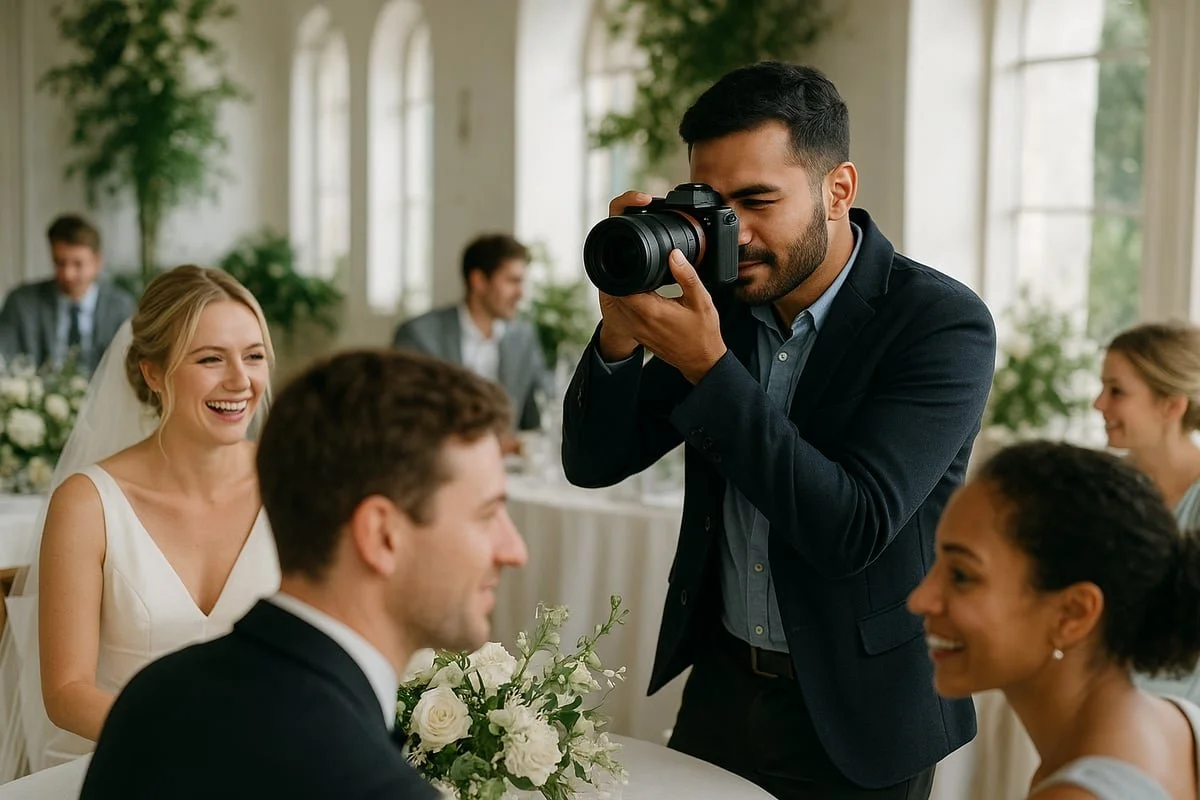
The wedding photography process has shifted from rigid, traditional poses to a more relaxed, documentary-inspired approach. Social media and digital sharing have encouraged photographers to focus on storytelling, capturing real emotions and unfiltered moments.
Modern couples increasingly value authenticity, seeking a blend of candid and posed images. According to Bridebook 2023, 80% of couples request this mix. The rise of advanced equipment, such as drones and mirrorless cameras, enables instant previews and creative angles. Packages are now more flexible, often tailored to individual needs.
Capturing the true atmosphere of the day is now a priority. This evolution means the wedding photography process is more about genuine connection, ensuring every couple's story is told in a way that feels personal and timeless.
Key Trends for 2026
Looking ahead, sustainability is at the forefront, with eco-friendly practices such as digital-only albums and recycled materials becoming standard. AI-powered editing tools and smart albums are streamlining workflows, delivering faster results. Engagement and pre-wedding shoots are more popular, helping couples build confidence and rapport.
Hybrid coverage, combining stills and short video clips, is on the rise. Unique venues and destination weddings are increasingly sought after, with 1 in 4 UK weddings featuring a destination element (Hitched 2024). Couples also expect speedy sneak peeks and shorter turnaround times. For a deeper dive into what's shaping the future, explore the 2026 Wedding Photography Trends.
The wedding photography process in 2026 is defined by flexibility, innovation, and a focus on experience as much as imagery.
Choosing the Right Style and Approach
Selecting the ideal style is one of the most important steps in the wedding photography process. Popular options include documentary, fine art, and editorial. Documentary styles capture the day as it unfolds, perfect for couples who want natural, unposed images. Fine art photography uses creative composition, light, and editing for a polished, artistic feel. Editorial approaches are inspired by fashion magazines, with carefully staged and styled shots.
Matching your photographer's style to your personality and vision is crucial. Review full galleries, not just highlights, to assess consistency. Ask about their process, approach to group photos, and how they blend in with guests. Many couples find that natural, candid styles help them relax, resulting in more genuine smiles.
Questions to consider include: How do you handle family dynamics? What is your approach to unexpected moments? The photographer's personality can greatly impact your comfort on the day. Ultimately, a good fit ensures the wedding photography process is enjoyable, seamless, and truly reflective of your celebration.
Step 1: Researching and Selecting Your Wedding Photographer
Choosing the right photographer is the first and most crucial step in the wedding photography process. This stage sets the tone for your entire experience and ensures your memories are preserved beautifully. With so many options available, understanding your needs and following a clear, structured approach will help you make the best decision for your 2026 celebration.

Setting Your Priorities and Budget
Start your wedding photography process by outlining what matters most to you. Do you want full-day coverage, a second shooter, or a bespoke album? List your must-have elements before exploring packages.
Establish a realistic budget, knowing that the average UK couple spends between £1,500 and £2,500 on photography for 2026. Consider what is included in each package: travel fees, extra hours, or engagement shoots. Be sure to allocate funds for prints and albums, as these tangible memories often become family heirlooms.
Transparency is essential. Ask for a breakdown of costs and understand potential extras before committing. This clarity prevents surprises and allows you to focus on enjoying the wedding photography process from the outset.
Shortlisting and Vetting Photographers
Research is key to finding a photographer whose style and experience align with your vision. Start by exploring reputable directories, social media, and personal recommendations. Review full portfolios to assess consistency and storytelling ability, not just highlight reels.
Client reviews and testimonials offer insight into real experiences. Confirm professional credentials and any awards, especially if your venue has unique requirements. For example, photographers familiar with barn weddings may approach lighting differently from those used to city hotels.
Prompt, clear communication is a good sign of professionalism. For more guidance, see these expert tips on choosing your wedding photographer, which can help you navigate this stage of the wedding photography process with confidence.
The Consultation Process: Questions to Ask
Once you have a shortlist, arrange consultations to discuss your expectations and the photographer’s approach. Essential questions include their style, backup plans, and the number of hours covered. Clarify editing timelines, delivery methods, and what happens in case of illness or emergency.
Ask to see a full wedding gallery, not just selected images, for a true sense of their work. Discuss any special requests or unique traditions you want captured.
A strong personality fit makes a noticeable difference. The right photographer will put you at ease, helping to make the wedding photography process enjoyable and stress-free from start to finish.
Booking and Securing Your Date
Once you have made your choice, secure your photographer by paying a deposit, usually between £100 and £250. Carefully review and sign the contract, checking details such as payment schedules and cancellation policies.
Early booking is vital, as prime dates often fill up 18–24 months in advance. Keep communication open after booking; most photographers send out questionnaires or planning checklists to gather key information.
Expect ongoing support as you move forward in the wedding photography process. This ensures you and your photographer remain aligned, reducing stress as the big day approaches.
Casartelli Photography: A Personalised, Documentary Approach
Casartelli Photography, based in Essex, offers a relaxed yet professional take on the wedding photography process. Specialising in candid, documentary-style images, they focus on making couples feel comfortable and confident, resulting in authentic photos filled with emotion.
Their packages are tailored to suit individual visions, including pre-wedding shoots and full-day coverage. Casartelli Photography is trusted across the UK and for destination weddings, known for its client-centred approach and industry recognition.
Couples can review full portfolios, read testimonials, and enquire about bespoke packages online. With a commitment to capturing the true story of your wedding day, Casartelli Photography ensures your memories are preserved just as you experienced them.
Step 2: Pre-Wedding Planning and Preparation
Careful pre-wedding planning is essential for a smooth, enjoyable wedding photography process. By investing time in preparation, you will ensure that your day runs seamlessly and every important memory is captured beautifully. Let us break down each stage of this process for your peace of mind.
Engagement Shoots and Building Rapport
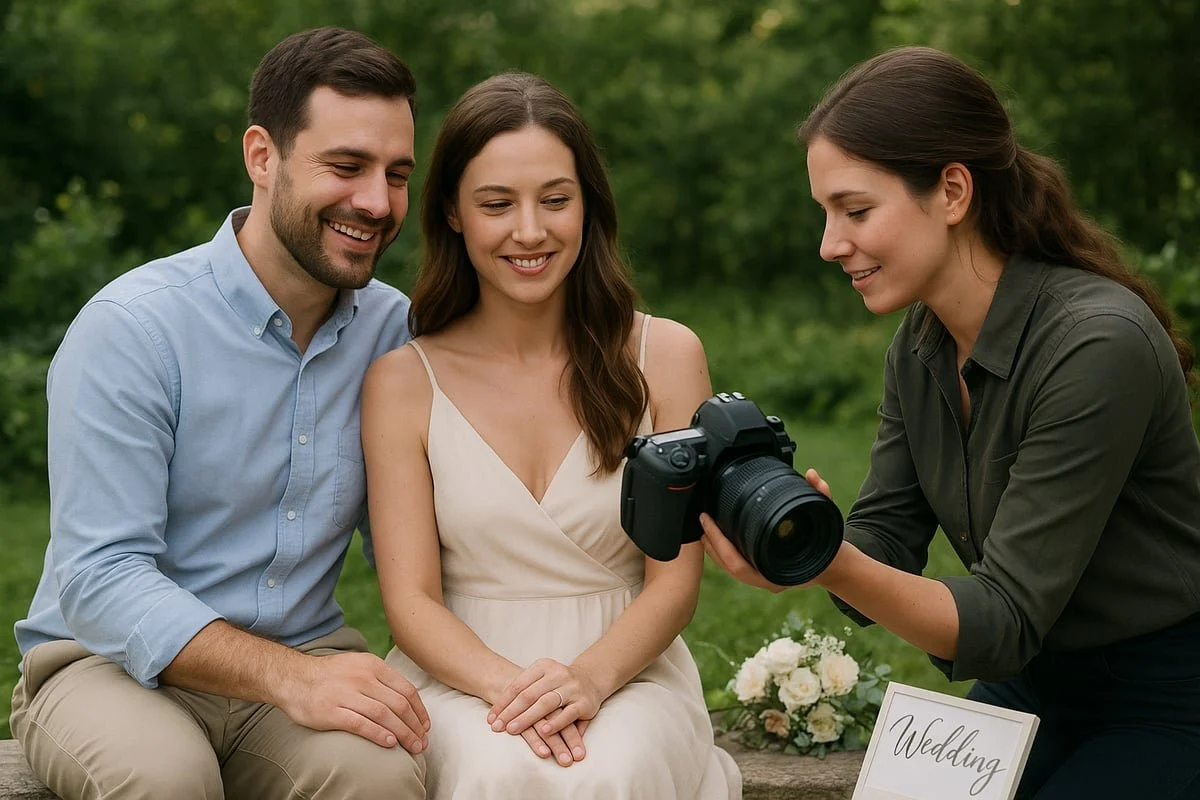
Engagement or pre-wedding shoots are a brilliant way to feel comfortable in front of the camera before your big day. These sessions are not just about capturing lovely images, but also about building trust and communication with your photographer. Couples often find that after an engagement shoot, they feel more relaxed and confident, which leads to more natural photos during the wedding photography process.
These shoots offer the chance to experiment with different locations and styles, making it easier to discover what works best for you. Many couples use these images for invitations or wedding décor. For more on the benefits and experience, explore this detailed guide on Pre-Wedding and Engagement Photoshoots.
To make the most of your session:
Choose a location meaningful to you
Wear comfortable, coordinated outfits
Discuss any nerves or preferences with your photographer
A positive engagement shoot experience sets the tone for the rest of the wedding photography process.
Timeline Planning and Coordination
A detailed timeline is crucial for a seamless wedding photography process. Work closely with your photographer to identify all the key moments you want captured, such as getting ready, the ceremony, group shots, and the reception.
Buffer times are important, helping to keep things relaxed and reducing stress if there are any delays. For example, efficient family group shots can typically be completed in 10 to 15 minutes. Coordination with other vendors, such as planners and videographers, ensures everyone is on the same page.
During your pre-wedding planning meeting, discuss:
The order and timing of events
Buffer periods to allow for unforeseen delays
When and where candid moments can be prioritised
Clearly defining your schedule is a fundamental part of the wedding photography process.
Creating a Shot List and Communicating Expectations
A must-have shot list is a powerful tool for managing expectations within the wedding photography process. This helps ensure all important group and special moments are captured, from family portraits to unique traditions.
However, it is important to balance your structured list with space for spontaneous, candid shots that tell the story of your day. Share any family dynamics or sensitive situations with your photographer — for instance, noting relatives who should not be photographed together.
Tips for an effective shot list:
Prioritise must-have groupings
Note any surprise events or traditions
Ensure accessibility for guests with mobility needs
Review and confirm your shot list before the wedding. This step ensures your photographer is fully prepared for every aspect of the wedding photography process.
Venue Visits and Scouting Locations
A venue walkthrough is invaluable in the wedding photography process. Visiting the venue with your photographer allows you to identify the best spots for portraits and group photos while considering lighting and weather contingencies.
Arriving early on the day can offer a fresh perspective for creative shots. Venue staff can assist with logistics, ensuring smooth movement between locations. Discuss backup plans for poor weather, such as indoor spaces or covered areas.
Points to consider during your visit:
Identify locations with good natural light
Plan for different weather scenarios
Confirm access times and restrictions
Flexibility and adaptability are key qualities for a successful wedding photography process at any venue.
Final Preparations and Confirmations
The final stage of pre-wedding planning is all about confirming details for a flawless wedding photography process. Double-check timelines, addresses, and key contacts with your photographer.
Share emergency contact information and the day-of schedule with all involved parties. Professional photographers always bring spare cameras and batteries, ensuring no moment is missed. Couples are advised to prepare comfortable shoes, touch-up kits, and snacks for the day.
Final reminders:
Ensure everyone knows their roles and responsibilities
Keep communication lines open for last-minute updates
Stay relaxed and focus on enjoying the experience
With thorough final preparations, you are ready to enjoy every aspect of the wedding photography process.
Step 3: The Wedding Day Photography Experience
The wedding photography process truly comes to life on your big day. Every moment, from the early preparations to the final dance, tells part of your unique story. Understanding what to expect from your photographer and how the wedding photography process unfolds will help ensure a smooth, enjoyable experience.
Photographer’s Role and Approach on the Day
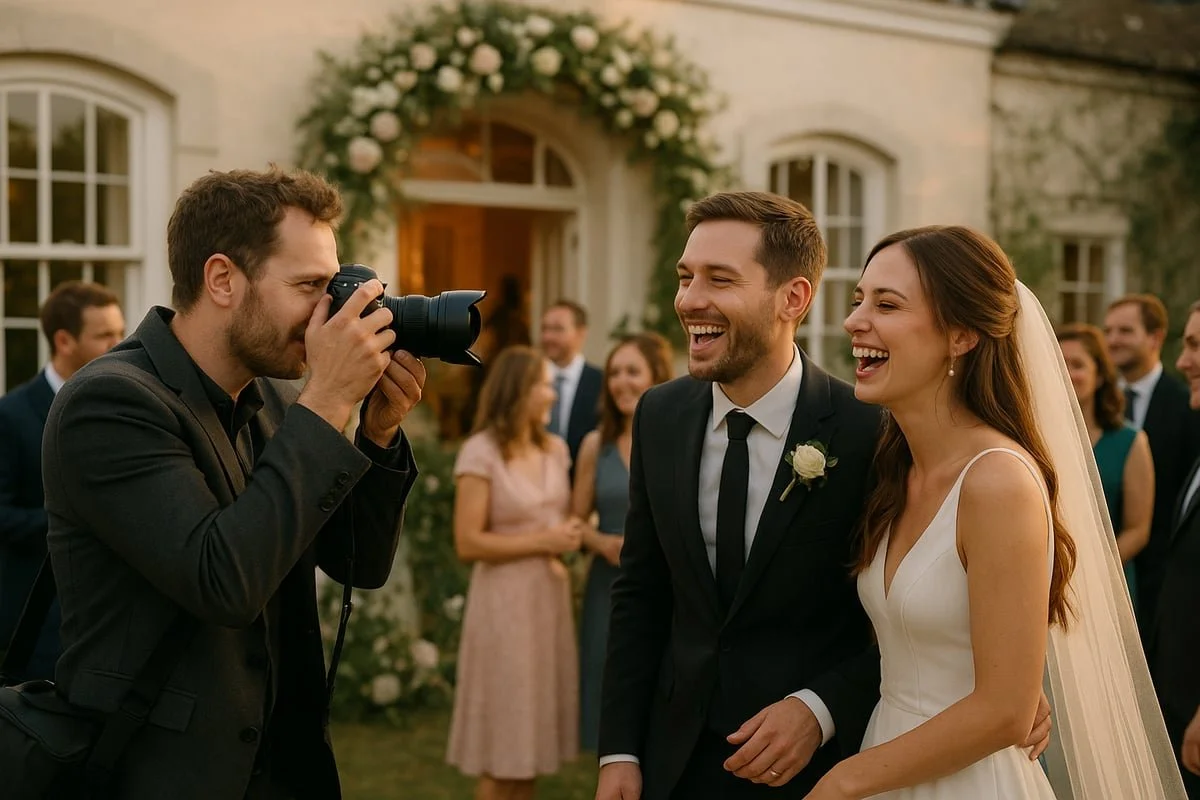
On your wedding day, the photographer is much more than someone who clicks a camera. Their role in the wedding photography process is to guide, support, and discreetly document your celebration. The best professionals blend in with guests, offering gentle direction only when needed.
A top photographer will help calm your nerves, fix a stray veil, or reassure you before the ceremony. They adapt quickly to changes or unexpected moments, such as a sudden downpour or a change in schedule.
Many couples now prefer a documentary approach, where the photographer quietly captures genuine emotion and spontaneous interactions. To learn more about how this style shapes the wedding photography process, see Documentary Style Wedding Photography. Professionalism, adaptability, and a supportive presence are essential for a stress-free experience.
Key Moments and Coverage Areas
The wedding photography process is carefully planned to ensure no moment is missed. Coverage typically starts with preparations, capturing the excitement as you get ready. The ceremony, confetti throw, and group shots follow, each requiring a keen eye for both posed and candid images.
Reception coverage includes speeches, the first dance, and the lively party atmosphere. Candid guest interactions are just as important as the main events, as they convey the day’s spirit. The wedding photography process often blends 20 percent posed shots with 80 percent natural moments for a balanced gallery.
Photographers coordinate with planners and videographers, ensuring seamless coverage. Maximising your chosen package means discussing priorities and timings in advance.
Managing Group and Family Photos Efficiently
Efficient group photos are a vital part of the wedding photography process, allowing you to capture everyone special to you without losing precious time. A well-organised approach keeps this section quick and stress-free.
Assign a helper who knows your family to gather people for each group. Share a pre-planned list with your photographer to avoid confusion. Most experienced photographers complete family photos in 10 to 15 minutes after the ceremony.
Prepare your shot list in advance
Inform your photographer of any family dynamics
Keep the mood light and upbeat
With the right plan, group photos become an enjoyable part of the wedding photography process for everyone involved.
Couple Portraits: Creating Natural, Memorable Images
Couple portraits are a highlight of the wedding photography process, capturing your relationship’s essence in relaxed, beautiful images. The best results come from a fun, interactive session that puts you at ease.
Photographers often use candid prompts, like walking together or sharing a private joke, to elicit genuine smiles. Golden hour, just before sunset, offers flattering light and a romantic setting for portraits.
Sessions are kept short to maximise your time with guests. Most couples prefer a handful of gently posed shots with the focus on natural, unguarded moments. Being yourselves is the secret to portraits you will treasure.
Capturing the Details and Atmosphere
The wedding photography process is not complete without documenting the details that make your day unique. Photographers pay close attention to décor, flowers, cake, and the venue’s ambience.
Capturing the atmosphere means photographing guests enjoying themselves, personal touches, and DIY elements that reflect your personalities. Creative angles and lighting techniques help tell the full story.
A complete visual narrative ensures you remember not just what happened, but how it felt. These detail shots round out the wedding photography process, giving you a gallery that brings your celebration back to life.
Handling Challenges and Unexpected Moments
No matter how well you plan, the wedding photography process must adapt to challenges. Weather changes, equipment issues, or timeline delays are all possible. An experienced photographer remains calm and solution-focused.
If a flash fails during the ceremony, professionals always have spares ready. They communicate quickly with couples and vendors to resolve any last-minute changes. Preparation and flexibility are key to maintaining quality.
The wedding photography process relies on expertise to navigate surprises, ensuring consistent results and peace of mind for you.
Evening Coverage and Dancefloor Fun
As the evening unfolds, the wedding photography process continues to capture energy and celebration. The first dance is a focal point, but coverage often extends to lively dancefloor moments and candid guest antics.
Photographers use creative lighting to enhance evening images, balancing the formalities with spontaneous fun. Staying after the first dance allows for a more complete story.
Knowing when to wrap up is important, ensuring the gallery tells the full tale of your day. The wedding photography process does not end until the last memorable moment has been documented.
Step 4: Editing, Delivery, and Aftercare
The wedding photography process does not end when the last dance finishes. In fact, some of the most important steps happen after your celebration. From careful editing to seamless delivery and thoughtful aftercare, understanding each stage ensures your memories are preserved perfectly.
The Editing Process: What Happens After the Wedding
Once the big day is over, the wedding photography process transitions into post-production. Your photographer carefully reviews thousands of images, selecting the best to tell your story.
Professional editing involves colour correction, exposure adjustments, and artistic enhancements. Retouching is subtle, maintaining a natural look while removing distractions. On average, photographers dedicate 20 to 40 hours editing a full wedding gallery, ensuring every image meets their standard.
Recent trends, such as the integration of AI-powered editing, are streamlining this stage for faster, more consistent results, as highlighted in 2026 Wedding Trends Analysis. Security is paramount; images are backed up on multiple devices and cloud systems. This careful approach guarantees your wedding photography process continues to deliver quality long after the event.
Sneak Peeks and Timelines for Delivery
After editing begins, couples are eager for a first glimpse. The wedding photography process typically includes sneak peeks within 48 to 72 hours. These previews allow you to relive highlights and share moments while on honeymoon.
Full gallery delivery usually takes between two and six weeks, with top professionals averaging two to four weeks. Turnaround time depends on season, workload, and package details. According to the Wedding Photography Business Survey, clear communication about timelines is a key factor in client satisfaction.
Photographers explain delivery methods at booking, whether through secure online galleries, USB drives, or cloud links. If delays occur, proactive updates maintain trust throughout the wedding photography process.
Receiving, Reviewing, and Sharing Your Photos
When your gallery is ready, accessing the images is simple. Most photographers use professional platforms for secure delivery, allowing you to view, download, and share your photos easily. The wedding photography process ensures you receive clear instructions for navigating your digital gallery.
Take time to review and select your favourites. Some couples request additional edits or custom prints. Sharing images with friends and family is straightforward, with watermarked previews often available for social media.
Long-term storage is a vital step. Back up your files on multiple devices and consider cloud storage. This guarantees your wedding photography process safeguards your memories for years to come.
Albums, Prints, and Preserving Your Memories
Physical albums and prints transform digital images into cherished keepsakes. The wedding photography process includes options for luxury albums, bespoke wall art, and custom prints. Many couples choose to design their album collaboratively with their photographer, ensuring the final product reflects their style.
Storing albums and prints safely is essential. Use archival-quality materials and avoid direct sunlight. Regularly update digital backups as technology changes. This stage of the wedding photography process ensures your memories are preserved for future generations.
Expert Tips for a Seamless Wedding Photography Experience in 2026
A seamless wedding photography process depends on more than just technical skill. It is about trust, preparation, and making choices that reflect your style and priorities. The following expert tips ensure your 2026 celebration is captured beautifully and without unnecessary stress.
Communication and Trust: Building a Strong Relationship
Open communication is the cornerstone of a successful wedding photography process. From your first enquiry to the delivery of your final images, sharing your vision, preferences, and even concerns helps your photographer understand what matters most.
Regular check-ins, such as WhatsApp updates for inspiration or last minute adjustments, foster trust and keep everyone on the same page. Do not hesitate to provide feedback or request specific shots. A photographer who feels like a friend is more likely to capture your authentic selves.
Trusting your photographer’s expertise throughout the wedding photography process allows them to guide you through any challenges. The result is a collaborative environment where relaxed, natural images can flourish.
Making the Most of Your Photography Investment
Allocating your budget wisely is key to getting the best value from the wedding photography process. Prioritise what is most important, whether that is a luxury album, a second shooter for larger weddings, or an engagement shoot to boost confidence.
Understand exactly what is included in your package and ask about any extras, such as travel fees or extended coverage. For a detailed breakdown of typical inclusions and pricing, see Wedding Photography Packages and Prices.
Quality should always come before quantity. Negotiate customisations that fit your needs, but avoid hidden costs by reviewing contracts carefully. Investing thoughtfully in the wedding photography process ensures lasting memories.
Navigating Nerves and Being Camera-Ready
Feeling camera-shy is perfectly normal, but a smooth wedding photography process includes strategies to ease nerves. Practice sessions, such as engagement shoots, can help you and your partner feel at ease in front of the lens.
Choose comfortable attire and shoes, and remember that perfection is not the goal. Embrace candid prompts and focus on enjoying your day. The more relaxed you feel, the more genuine your images will be.
Being present and letting emotions unfold naturally is at the heart of the wedding photography process. A photographer skilled in putting couples at ease will help you look and feel your best.
Embracing Candid and Documentary Styles
Candid and documentary photography styles are increasingly popular in the modern wedding photography process. These approaches allow your day to unfold naturally, capturing spontaneous moments and genuine reactions.
Industry statistics reveal that 80 percent of couples now prefer natural, unposed images. Trust your photographer to blend into the background and document your story authentically.
While a few posed shots may be necessary, focus on letting the wedding photography process flow. Documentary photos often evoke the strongest memories, as they reflect the true spirit of your celebration.
Handling Logistics and Practicalities
Efficient coordination with other vendors is vital for a seamless wedding photography process. Share itineraries, contact details, and any special requirements with your photographer, planner, and videographer.
Plan for travel, accommodation, and access well in advance, especially if your venue is remote. Provide backup options for weather or lighting challenges to keep the day running smoothly.
Brief everyone involved on the photography timeline and group shot lists. Clear logistics ensure that the wedding photography process is unobtrusive and efficient, allowing you to focus on enjoying your wedding.
Future-Proofing Your Wedding Memories
After the big day, safeguarding your images is an essential part of the wedding photography process. Back up digital files in multiple locations, such as cloud storage and physical drives, to prevent data loss.
Store albums and prints in cool, dry places, and check that file formats remain accessible as technology evolves. Taking these simple steps ensures your wedding memories remain safe and accessible for generations, preserving the results of your wedding photography process.
You’ve now got a clear roadmap to help you enjoy a seamless, stress free wedding photography experience, from first research through to receiving your finished album. Every couple’s story is unique, and I’m passionate about capturing those genuine, candid moments that make your day truly yours. If you’re curious about how my tailored approach can fit your vision, I’d love for you to discover what’s possible. Take a look at the options available, compare what’s included, and see how we can make your story unforgettable together.
Check out our services