
Essential Guide to Photography Documentary in 2025
Documentary photography continues to shape how we see the world, revealing truths and prompting reflection in 2025. Its ability to capture authentic moments remains as vital as ever, connecting audiences with real stories and experiences.
This essential guide to photography documentary explores its evolving landscape. Whether you are a photographer, storyteller, or enthusiast, you will find practical insights and inspiration.
We will unpack the history, techniques, ethical considerations, technological advances, and the future trends defining documentary work today.
Equip yourself with the knowledge and skills needed to create impactful, honest, and visually striking documentary projects.
The Evolution of Documentary Photography
Documentary photography has always been a powerful tool for capturing reality and shaping public perception. Its core aim is to provide an accurate, unembellished account of the world, as defined by esteemed institutions like Tate and National Galleries Scotland. The journey of photography documentary spans more than a century, tracing humanity’s desire to record history, expose social issues, and inspire change.
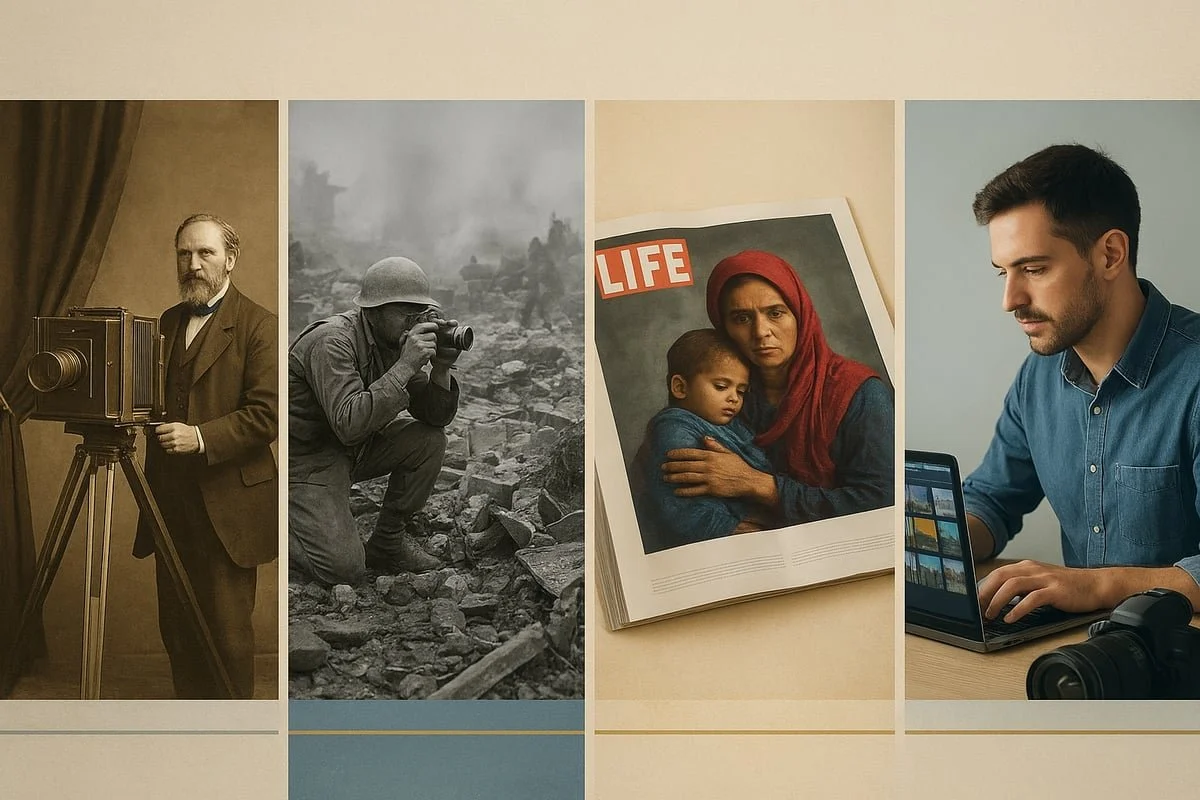
Tracing the Roots: From the 19th Century to the Digital Age
The origins of photography documentary can be traced to the mid-1800s, when pioneers like Philip Delamotte and Matthew Brady began using cameras to document major historical events, such as the construction of the Crystal Palace and the American Civil War. Their work set a precedent for using photographs as factual records, laying the foundation for the genre’s reputation for honesty and accuracy.
As the medium evolved, so did its purpose. In the late 19th and early 20th centuries, photographers such as David Octavius Hill & Robert Adamson used their craft to record social conditions and everyday life. Their images, often stark and unfiltered, revealed the realities of industrialisation and urban poverty. This approach marked the beginning of photography documentary as a force for social awareness.
The early 1900s saw the emergence of the social documentary movement. Jacob Riis, Dorothea Lange, and Walker Evans became synonymous with using the camera to document hardship and advocate for reform. Lange’s haunting images of Dust Bowl migrants and Evans’s portraits of rural America brought national attention to the struggles of the working class. Photography documentary became a visual language for social justice, influencing public opinion and policy.
The proliferation of illustrated magazines in the 20th century, such as LIFE, TIME, and Vanity Fair, propelled documentary photography into the mainstream. These publications provided a platform for photographers to reach global audiences. Photo essays and magazine spreads became essential vehicles for storytelling, making photography documentary an integral part of news media and popular culture.
War and conflict further shaped the evolution of the genre. Photographers like Lee Miller and Don McCullin risked their lives to capture the realities of battlefields and human suffering in both World Wars and later conflicts. Their images, often raw and unflinching, challenged viewers to confront the harsh truths of war. The role of the photography documentary practitioner expanded from recorder to witness, carrying significant ethical responsibilities.
A pivotal moment in the history of photography documentary was the formation of Magnum Photos in 1947 by Henri Cartier-Bresson, Robert Capa, George Rodger, and David Seymour. This photographer-led collective championed independence, creative freedom, and the right of photographers to control their work. Magnum’s influence extended beyond photojournalism, inspiring generations to pursue long-term projects and personal visions.
The late 20th century saw a shift as documentary photography moved from printed reportage to the realm of contemporary art. Exhibitions in galleries and museums gave new context to documentary images, blurring the lines between art and journalism. This transition allowed photography documentary to explore more subjective, conceptual, and experimental approaches.
With the advent of digital technology and television, the landscape changed dramatically. Audiences gained immediate access to images through screens and online platforms. The decline of print media and the rise of social media transformed how photography documentary is shared and consumed. Today, photographers use smartphones, digital cameras, and editing software to create and distribute stories globally. For a deeper look at modern trends shaping the field, see Photography Trends to Watch in 2025.
Through every shift, photography documentary has remained a vital means of witnessing, questioning, and understanding the world. Its evolution reflects not just technological change, but also the enduring human need to document truth and connect across time and culture.
Core Principles and Approaches in Documentary Photography
The foundation of photography documentary is built on a complex interplay between objectivity and subjectivity. Early practitioners aimed to provide a straightforward record of reality, but as the field evolved, so did the philosophical debate. Is it possible to be truly objective, or does every image reflect the photographer's perspective? This dilemma sits at the heart of contemporary practice. Today, the most compelling documentary work often blends honest observation with a distinctive visual voice, as seen in the approaches of Nan Goldin and Lisette Model. For those seeking to refine their skills in this area, exploring visual storytelling essentials can provide valuable guidance on balancing truth and artistry within photography documentary.
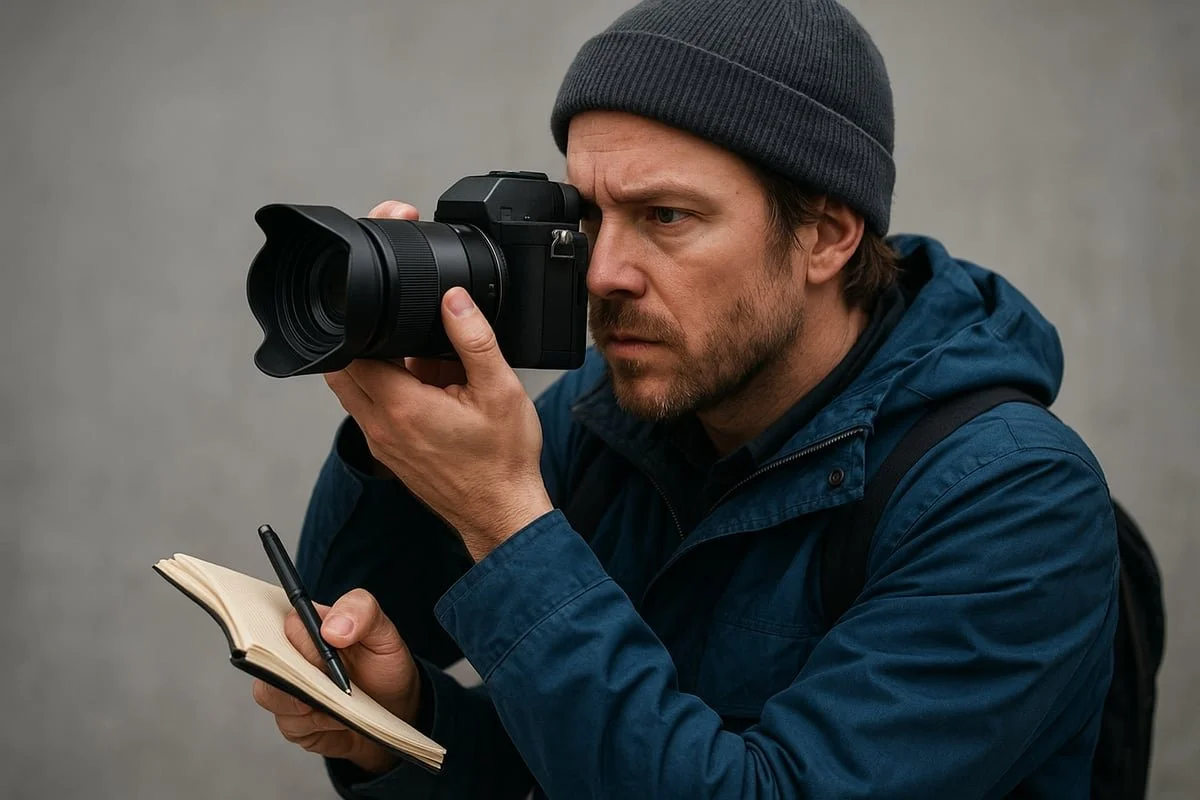
Objectivity vs. Subjectivity: The Documentary Dilemma
The debate between objectivity and subjectivity is a cornerstone of photography documentary. On one side is the pursuit of straightforward documentation, aiming to capture events as they unfold without interference. On the other is the artistic interpretation, where the photographer’s emotions and viewpoints shape the narrative. Nan Goldin’s raw, intimate images and Lisette Model’s expressive portraits demonstrate how subjectivity can drive powerful storytelling. The question remains: should the photographer act as a neutral observer, or use their lens to advocate for change?
Otto Steinert’s subjective photography movement in post-war Europe pushed the boundaries further, encouraging practitioners to explore the inner psyche and human condition. This approach shifted photography documentary from mere record-keeping to a deeply personal form of expression. As the medium has matured, the lines between objectivity and subjectivity have become increasingly blurred, challenging photographers to consider their motivations and the potential impact of their work.
Social Documentary and Long-Term Projects
Social documentary has long been a vital component of photography documentary, aiming to shed light on societal issues and inspire reform. Photographers like Jacob Riis, Dorothea Lange, and Walker Evans used their cameras as tools for social change, capturing the struggles and resilience of marginalised communities. Their work provided a visual record that prompted public debate and policy shifts.
Long-term projects are central to this tradition. August Sander’s "People of the 20th Century" stands as a landmark example, offering a systematic, cross-sectional portrait of German society over several decades. These extensive undertakings require patience, empathy, and a deep commitment to the subject. Through sustained engagement, photographers can uncover layered narratives that short-term projects may miss. The evolution of photography documentary continues to value both immediate reportage and the depth of long-term exploration.
Ethics of Representation and Aesthetics
Ethical considerations remain at the forefront of photography documentary. The responsibility to portray subjects truthfully and respectfully is paramount. Gaining informed consent, especially when working with vulnerable individuals or communities, is not just a legal requirement but an ethical imperative. Photographers must be aware of the power dynamics at play and ensure that their presence does not exploit or endanger those they document.
Aesthetics also play a significant role. Mark Cousins argues that documentary photography is intrinsically aesthetic, shaped by choices in structure, rhythm, and visual language. The balance between artistic vision and factual accuracy can elevate the impact of an image, making it both informative and emotionally resonant. Ultimately, photography documentary is most effective when it respects its subjects and communicates honestly with its audience.
Case Study: Emila Medková’s Surrealist Approach
Emila Medková offers a unique perspective within photography documentary, blending surrealism with documentary intent. Her post-war images of urban decay in Europe do more than record physical spaces—they evoke a psychological landscape marked by trauma and transformation. Medková’s work demonstrates how documentary photography can transcend literal representation, inviting viewers to interpret deeper meanings beneath the surface.
Her approach highlights the flexibility of photography documentary as both a factual and creative practice. By infusing her images with surrealist elements, Medková challenges traditional boundaries and encourages practitioners to experiment with style while maintaining a commitment to truthfulness. This case study underscores the evolving nature of documentary photography, where innovation and integrity are equally valued.
Essential Techniques and Tools for 2025 Documentary Photographers
Documentary photography in 2025 is both a technical craft and a profound storytelling art. To excel, today’s photographers need to balance classic skills with emerging tools, adapting to a rapidly evolving visual landscape.
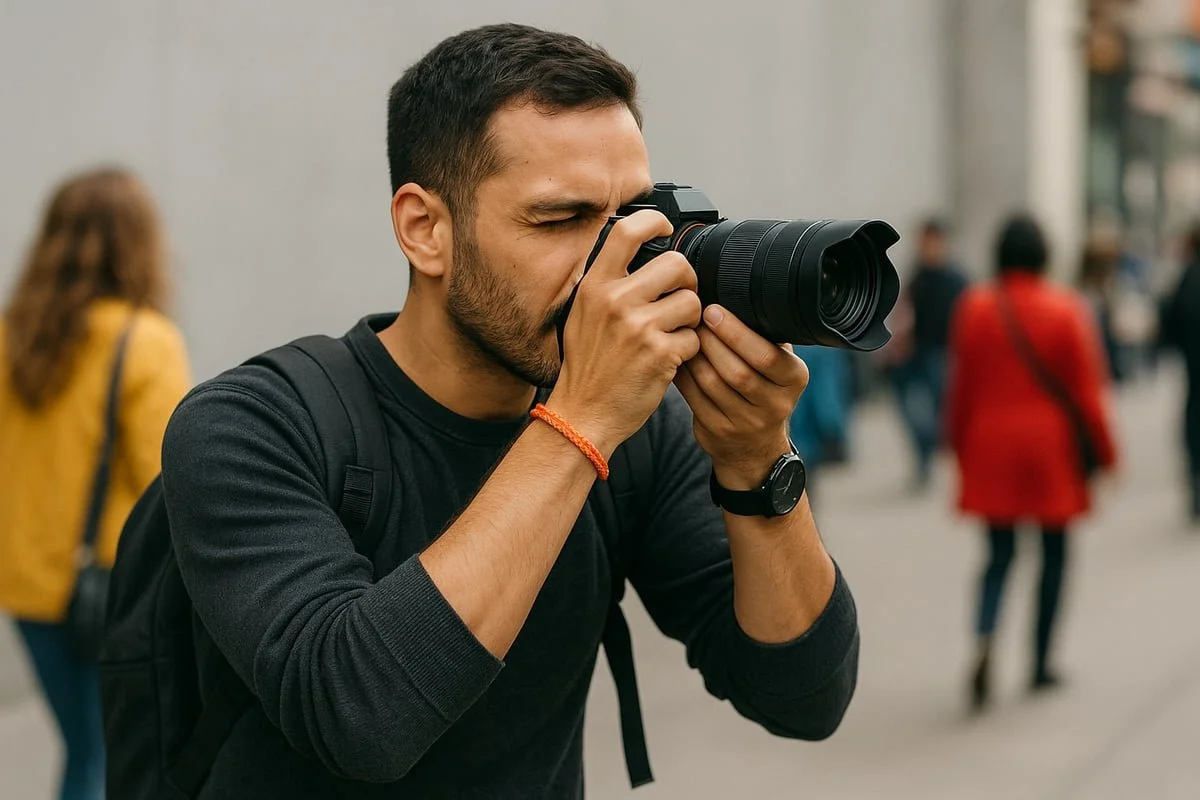
Mastering Visual Storytelling in a Changing World
The foundation of photography documentary remains a thoughtful approach to equipment and technique. In 2025, mirrorless cameras are the tool of choice for many, prized for their speed, portability, and silent operation. Lightweight prime lenses allow for discreet shooting and flexibility in diverse environments.
Smartphones now rival traditional cameras in image quality, especially when paired with AI-driven editing apps. These advances mean more photographers can document stories as they unfold, without missing critical moments.
A practical workflow is essential. Start by organising files with consistent folder structures and robust backup routines. Use embedded metadata to track shoot details, ensuring images remain accessible and searchable.
When shooting, embrace natural light for authenticity. Candid images often resonate most—building trust with subjects is vital for access to genuine moments. Developing rapport means spending time in the environment, listening, and observing before raising the camera.
For those interested in refining their candid approach, this guide to Candid photography techniques offers valuable, practical insights. It covers methods to capture real, unscripted interactions, a cornerstone of compelling photography documentary.
Storytelling hinges on sequencing and pacing. Arrange images to build a coherent narrative, using visual motifs and thematic links. Editing is not just technical, but ethical—avoid excessive manipulation, preserve colour accuracy, and respect the authenticity of the scene.
Consider the example of Don McCullin, whose war photography demonstrates technical mastery under immense pressure. His approach combines quick reflexes with a deep commitment to truthful representation, setting a standard for photographers today.
Essential Tools in 2025:
Tool/Technique
Purpose
Modern Example
Mirrorless Camera
Silent, portable shooting
Sony A7 series
AI Editing Software
Fast, ethical adjustments
Adobe Sensei
Metadata Management
Organisation, copyright protection
Photo Mechanic
Cloud Backup
Secure, instant storage
Google Drive, Dropbox
Navigating Digital Platforms and Sharing Work
Sharing photography documentary in 2025 means mastering both digital platforms and personal branding. Instagram and dedicated online galleries remain central for reaching wide audiences. Use targeted hashtags, collaborate with fellow creators, and craft digital stories to stand out.
Audience building is an ongoing process. Engage followers by sharing behind-the-scenes content, updates on long-term projects, and insights into your creative process. Regular interaction fosters a loyal community invested in your work.
Protecting your images is crucial. Apply subtle watermarks and understand platform-specific copyright policies. Register your work with licensing agencies when possible to safeguard your creative rights.
Publishing options have expanded. Self-published photobooks offer tangible ways to present photography documentary, while online exhibitions and NFT marketplaces provide new models for distribution and ownership.
For photographers in 2025, the ability to adapt and evolve is as important as technical skill. By combining classic methods with digital innovation, you can create photography documentary projects that are both impactful and enduring.
Ethics, Consent, and Social Impact in Documentary Photography
Ethics sit at the heart of every photography documentary project. As photographers document real lives and events, their choices shape how audiences perceive truth and history. The responsibility to represent subjects honestly and with dignity is vital, especially in an era where images circulate globally within seconds.
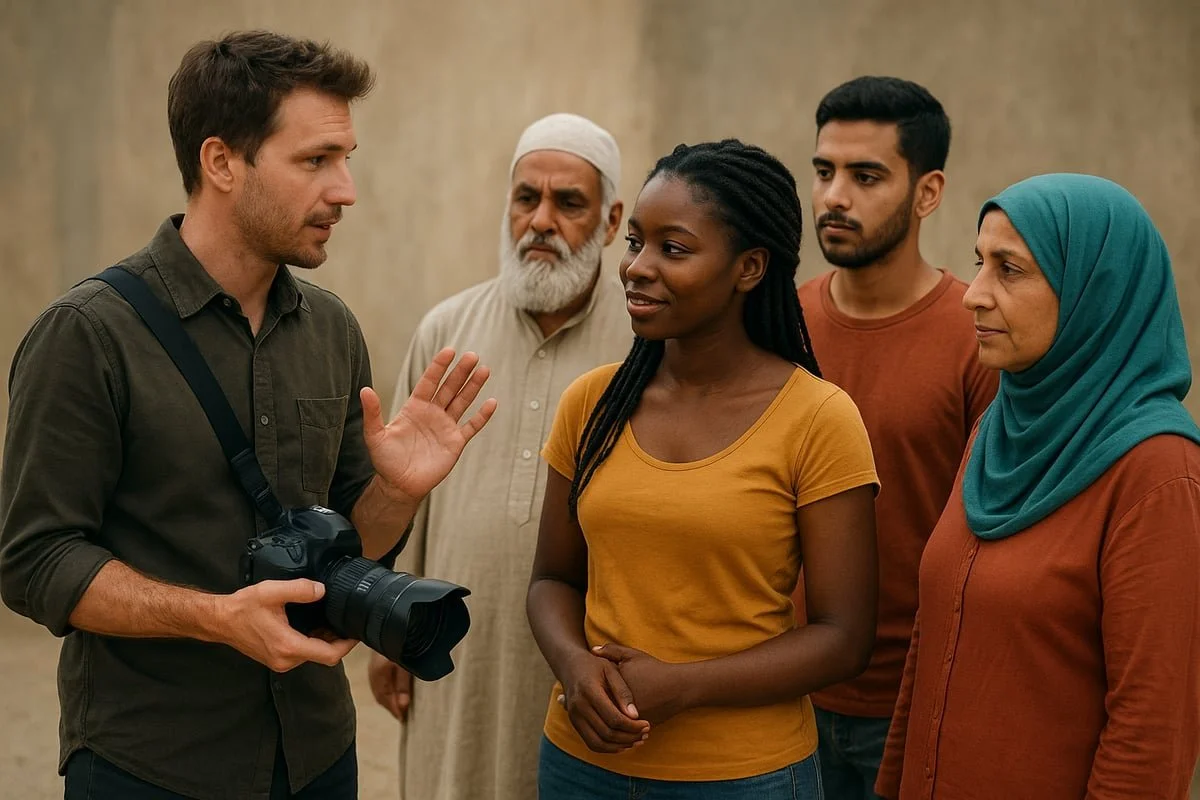
The Responsibility of Representation
In photography documentary, accuracy and respect must guide every frame. Photographers act as intermediaries between subjects and viewers, making choices about what to include, emphasise, or omit. These decisions influence public opinion and can even affect the lives of those photographed.
Consent is more than a formality. It is an ongoing conversation. Gaining informed consent means explaining your intent, how images may be used, and ensuring subjects truly understand. This is particularly important when working with vulnerable or marginalised communities.
Navigating Power Dynamics and Consent
Photographers often hold more power than their subjects. Recognising this imbalance is crucial in photography documentary. Building trust requires time, transparency, and empathy. Photographers should avoid exploiting the stories or emotions of those they document.
When covering sensitive issues, such as trauma or conflict, the stakes are even higher. Subjects may be at risk of harm or re-traumatisation. Ethical photographers prioritise subjects' safety and well-being over capturing a compelling image. As Lynsey Addario shares in her interview on the cost of bearing witness, navigating these dilemmas demands sensitivity, courage, and a strong ethical framework.
Sensitive Topics and Avoiding Exploitation
Photography documentary often brings photographers face to face with suffering, injustice, or hardship. How these stories are told matters. Avoiding exploitation means considering how images might reinforce stereotypes or strip subjects of agency.
Obtaining permission is essential, but so is reflecting on your own motivations. Are you documenting to inform, to inspire change, or to satisfy curiosity? Photographers must remain vigilant against sensationalism and strive to honour the humanity of every subject.
Fact, Fiction, and Manipulation
The line between fact and fiction in photography documentary can blur. Editing, staging, or digitally altering images raises questions about authenticity. While some level of curation is inevitable, fabricating reality undermines trust in documentary work.
Case studies like Lee Miller’s photographs of WWII concentration camps, or Eve Arnold’s intimate images of Malcolm X, exemplify the potential of honest, respectful documentation. Their work balances artistic vision with a commitment to truth.
Legal Considerations and Social Impact
Legal responsibilities in photography documentary extend beyond ethics. Photographers must understand privacy laws, model releases, and international regulations. Respecting local customs and legal standards protects both subjects and practitioners.
Ultimately, ethical choices in photography documentary shape not only careers but also social consciousness. Images have the power to challenge injustice, foster empathy, and drive change. By upholding rigorous ethical standards, documentary photographers ensure their work has a lasting, positive impact.
Contemporary Trends and Influential Voices in 2025
The landscape of photography documentary in 2025 is vibrant and rapidly evolving. New technologies, diverse voices, and shifting platforms are shaping both how stories are told and who tells them. As the world becomes increasingly visual, this genre continues to adapt, offering fresh perspectives and innovative approaches.
New Forms and Genres: Multimedia and Interactive Storytelling
In 2025, photography documentary is no longer confined to still images. Multimedia projects are combining video, sound, and text to create immersive experiences. Interactive storytelling—such as clickable web documentaries and virtual exhibitions—allows audiences to engage with stories in new ways. This shift broadens the reach of documentary work and invites viewers to become part of the narrative.
Photographers are experimenting with formats, using social media stories, podcasts, and even augmented reality to deliver impactful content. As a result, the definition of photography documentary continues to expand, welcoming innovation and cross-disciplinary collaboration.
Gallery and Museum Exhibitions: Institutional Support and Digital Reach
Galleries and museums remain crucial in validating and promoting photography documentary, especially as print publications decline. Major institutions curate exhibitions that not only showcase established artists but also spotlight emerging talent. For example, the FUTURESPECTIVE: Ukrainian Photography Exhibit at Saatchi Gallery highlights how contemporary voices are being elevated on global stages.
Digital exhibitions are becoming more common, making important documentary work accessible to audiences worldwide. Institutions are investing in online archives, virtual tours, and collaborative projects with photographers, further supporting the growth of the genre.
Influential Practitioners and Recent Achievements
Today's photography documentary scene is shaped by both legendary figures and new trailblazers. Diane Arbus, Martin Parr, and Adam Broomberg & Oliver Chanarin continue to inspire with their innovative approaches. At the same time, contemporary photojournalists are gaining international recognition for their powerful storytelling.
Recent achievements, such as AP Photographer Rodrigo Abd Wins POY Latam Photojournalist of the Year, demonstrate the ongoing impact of documentary work in bringing global issues to light. These influential voices drive the evolution of photography documentary by pushing boundaries and challenging conventional narratives.
Diversity, Activism, and Audience Engagement
Diversity and inclusivity are now at the forefront of photography documentary. Photographers from a wide range of backgrounds are sharing stories that have historically been underrepresented. This shift is fostering a richer, more nuanced understanding of global experiences.
Activist photography is also gaining momentum, with images used to influence public opinion and policy. Participatory and collaborative projects invite communities to shape their own narratives, increasing audience engagement and trust. These trends are making photography documentary more democratic and socially relevant than ever before.
Looking Ahead: The Ongoing Evolution
Photography documentary in 2025 is a dynamic field that thrives on adaptability. As technology advances and new voices emerge, the genre continues to break boundaries and redefine what it means to document reality. Whether through traditional prints or cutting-edge multimedia, photography documentary remains a vital force for storytelling, activism, and cultural reflection.
The Future of Photography Documentary: Trends and Predictions for 2025 and Beyond
The landscape of photography documentary is changing at an unprecedented pace. As we look ahead to 2025 and beyond, photographers and storytellers find themselves navigating a world where technology, ethics, and audience expectations are all evolving. Understanding these trends is essential for anyone looking to create meaningful, impactful work that resonates in the digital age.
Emerging Technologies and the Next Generation of Storytellers
Artificial intelligence is rapidly transforming photography documentary, from curation to editing and even image generation. AI-powered tools now assist in sorting vast archives, enhancing image quality, and suggesting narrative sequences. These advances help photographers focus more on storytelling, while also raising questions about the authenticity and authorship of images.
Virtual and augmented reality are opening new frontiers for immersive storytelling. Audiences can step into a documentary scene, experiencing events from multiple perspectives. This shift is making photography documentary more interactive, fostering deeper emotional engagement and understanding across cultures.
Blockchain technology and NFTs are redefining how photographers manage ownership and distribution. By using decentralised platforms, creators can protect their work, establish provenance, and explore innovative monetisation models. NFT marketplaces, for instance, offer new ways for documentary photographers to reach global audiences and ensure fair compensation for their efforts.
Accessibility is another driving force in the future of photography documentary. Affordable devices, mobile editing apps, and widespread internet access are empowering aspiring photographers from all backgrounds. This democratisation means that important stories can be documented and shared by voices that were previously unheard.
Environmental sustainability is also coming to the forefront. As travel and digital storage leave a carbon footprint, photographers are adopting conscious storytelling practices. Choosing local stories, minimising travel, and opting for eco-friendly equipment are becoming integral to ethical documentary work.
Ethical considerations remain paramount. The responsibility to portray subjects truthfully, gain informed consent, and avoid exploitation is more relevant than ever. As technology blurs the line between reality and fiction, documentary creators must prioritise trust and transparency. To develop a style that captures genuine moments, many are adopting approaches highlighted in guides such as Capturing genuine moments, which emphasise authenticity and respect for subjects.
Education and mentorship are evolving, too. Online courses, global workshops, and peer communities are accessible to emerging photographers everywhere. This collaborative spirit is shaping the next generation of storytellers, equipping them with both technical expertise and a strong ethical foundation.
Looking ahead, photography documentary will continue to blend with fine art and citizen journalism. The boundaries between observer, facilitator, and collaborator are fading, creating new opportunities and challenges. Photographers will need to adapt, embracing technology while upholding the core values of honesty and impact.
The future promises a vibrant, multifaceted field where the power of visual storytelling remains as vital as ever. Those who stay informed and adaptable will find endless creative potential in the evolving world of photography documentary.
As you’ve discovered throughout this guide, documentary photography in 2025 is about capturing genuine stories, embracing new technology, and making meaningful connections with your subjects. If you’re inspired to tell your own story—whether it’s your wedding day or another milestone—let’s make those moments unforgettable. My approach is all about helping you feel at ease, so your images reflect the real emotion of your day. Interested in seeing how I can help bring your vision to life? Take a moment to check out our packages and find the perfect fit for your story.